

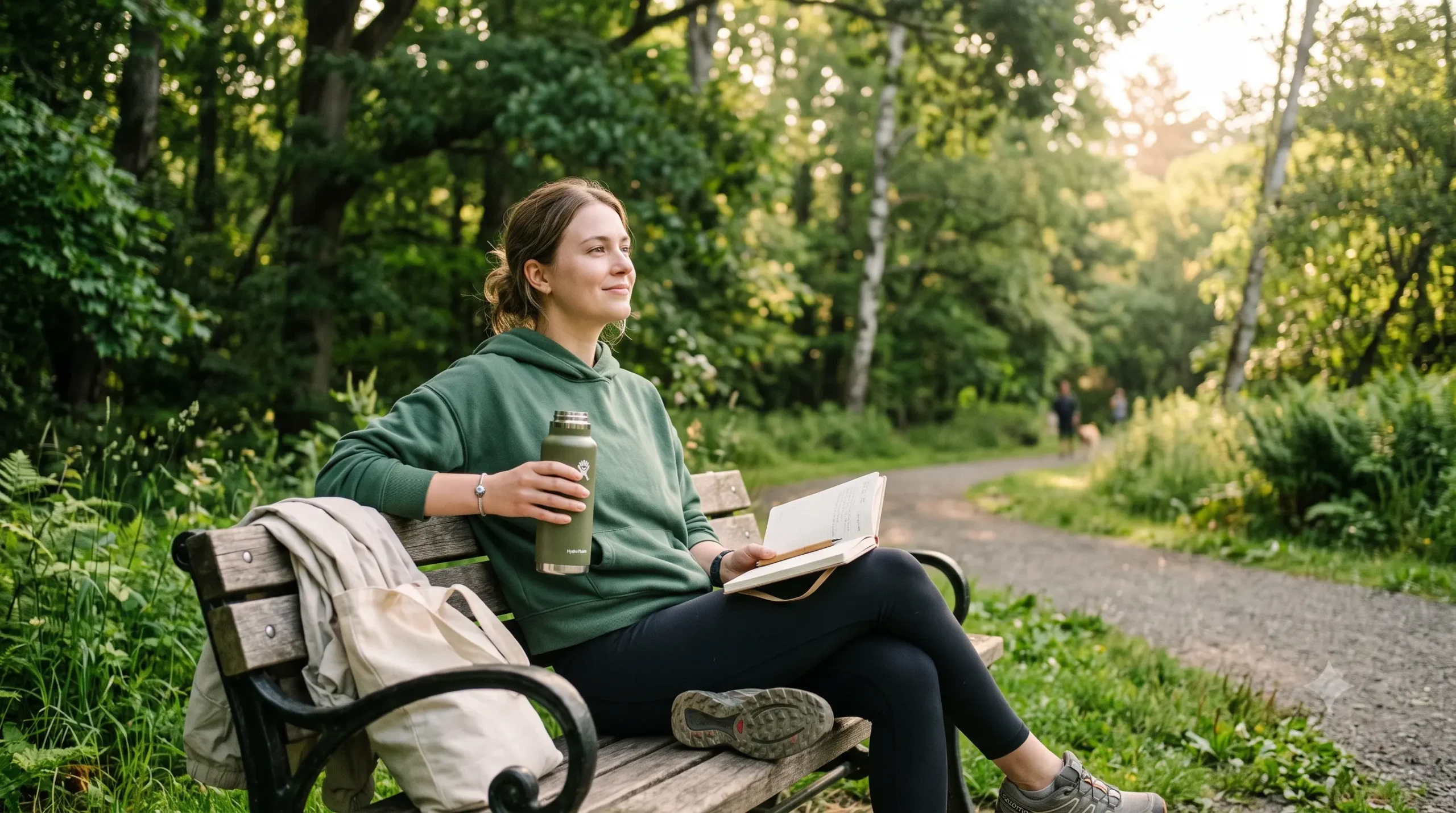
Stress-Free Lifestyle Tips for Better Health
Stress Relief is important for both your mind and body. Daily stress can affect your sleep, mood, energy, digestion, focus, and even your heart health. A stress-free lifestyle does not mean life will never feel difficult. It means you build simple habits that help you stay calmer, recover faster, and protect your health.
The good news is that you do not need expensive tools or a perfect routine. Small changes in your daily life can make a big difference over time.
Why Stress Relief Matters for Better Health
Stress is a normal response to pressure. But when stress stays for too long, it can make your body feel tired and your mind feel overloaded.
Common signs of stress may include:
- Headaches
- Poor sleep
- Low energy
- Irritability
- Muscle tension
- Trouble focusing
- Changes in appetite
Healthy stress relief habits can help your body return to a calmer state.
Start With One Calm Morning Habit
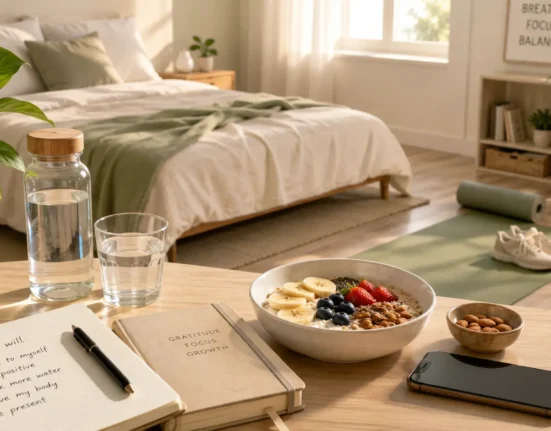
A peaceful morning can lower stress before the day becomes busy. You do not need a long morning routine.
Try one of these:
- Drink water before checking your phone.
- Stretch for five minutes.
- Take five slow breaths.
- Write down your top task for the day.
- Step outside for fresh air.
One calm habit can make the rest of your day feel easier.
Create a Stress Relief Plan That Fits Your Life
A good plan should be simple enough to repeat. If it feels too hard, you may not continue it.
Choose three habits:
- One habit for your body, such as walking.
- One habit for your mind, such as journaling.
- One habit for rest, such as sleeping earlier.
This keeps your stress relief routine balanced and realistic.
Move Your Body to Release Stress
Movement helps your body use stress energy in a healthy way. It can also improve mood and sleep.
You can try:
- A 20-minute walk
- Light stretching
- Yoga
- Dancing
- Cleaning your room with music
- Taking stairs instead of elevators
The goal is not to exercise perfectly. The goal is to move often.
Eat Foods That Support Energy and Mood
Stress can make people skip meals or choose sugary snacks. This may lead to energy crashes and mood swings.
Build simple meals with:
- Whole grains
- Fruits and vegetables
- Lean protein
- Healthy fats
- Enough water
Daily structure can also make stress easier to manage. Read our guide on How Daily Routines Improve Mind Wellness to learn how simple routines can support a calmer and healthier mind.
Protect Your Sleep for Better Stress Relief
Sleep and stress are closely connected. Poor sleep can make stress feel heavier. High stress can also make sleep harder.
Try these bedtime habits:
- Sleep and wake up at similar times.
- Keep your room dark and cool.
- Avoid heavy meals before bed.
- Stop scrolling 30 minutes before sleep.
- Use calming music, reading, or deep breathing.
Better sleep gives your mind and body time to recover.
Reduce Digital Noise
Phones can keep your brain alert all day. Messages, news, videos, and social media can increase mental overload.
Set simple limits:
- Turn off non-urgent notifications.
- Keep your phone away during meals.
- Avoid checking your phone right after waking.
- Take one screen-free break daily.
- Unfollow accounts that make you feel stressed.
Less digital noise creates more mental space.
Use Breathing to Calm Your Body
Deep breathing is one of the easiest stress relief tools. You can do it anywhere.
Try this method:
- Sit comfortably.
- Breathe in slowly for four seconds.
- Hold for two seconds.
- Breathe out slowly for six seconds.
- Repeat five times.
This can help your body relax when stress feels high.
Spend Time in Nature
Nature can help your mind slow down. Even a short time outside may improve your mood.
Simple nature habits include:
- Walking in a park
- Sitting near plants
- Getting morning sunlight
- Opening a window for fresh air
- Drinking tea outside
You do not need a long trip. Small moments outdoors can support better health.
Set Boundaries With Your Time
Stress often grows when your day is too full. Saying yes to everything can leave you tired and frustrated.
Try simple boundary phrases:
- “I cannot do that today.”
- “Let me check my schedule first.”
- “I need some time to rest.”
- “I can help later, but not right now.”
Protecting your time is part of protecting your health.
Make Your Home Feel Calmer
Your space can affect your stress level. A messy or noisy area may make your mind feel crowded.
Start small:
- Clear one table.
- Make your bed.
- Open curtains for light.
- Keep water nearby.
- Add one plant or calming item.
A calmer space can support a calmer mind.
Talk to Someone You Trust
You do not have to manage stress alone. Talking can help you understand your feelings and feel supported.
Reach out to:
- A close friend
- A family member
- A teacher or mentor
- A counselor
- A healthcare professional
Support is a healthy part of stress relief.
Know When Stress Needs Professional Help
Daily habits are useful, but they are not a replacement for medical or mental health care. If stress becomes constant, affects your daily life, or makes you feel hopeless, speak with a qualified professional.
Get help quickly if you feel unsafe or have thoughts of harming yourself.
Bringing It All Together
Stress Relief is not about removing every problem from your life. It is about building habits that help your body and mind feel safer, calmer, and stronger. Better sleep, healthy meals, movement, breathing, boundaries, less screen time, and support from others can all improve your health.
Start with one small habit today. Over time, simple choices can create a healthier and more peaceful lifestyle.
Frequently Asked Questions
1. What is the best stress relief habit?
The best habit is one you can repeat daily. Walking, deep breathing, better sleep, and screen breaks are simple places to start.
2. Can stress affect physical health?
Yes. Long-term stress may affect sleep, digestion, energy, focus, mood, and overall well-being.
3. How can I reduce stress quickly?
Try slow breathing, stepping away from screens, drinking water, stretching, or taking a short walk.
4. Does exercise help with stress relief?
Yes. Regular movement can help reduce stress, improve mood, and support better sleep.
5. When should I seek help for stress?
You should seek professional help if stress feels constant, affects daily life, causes hopelessness, or makes you feel unsafe.
Author Bio
Grace Miller is a wellness writer who focuses on simple lifestyle habits, stress management, and everyday health. She creates easy-to-follow content that helps readers build calmer routines without feeling overwhelmed.
References
- American Psychological Association – Stress
- NHS – Tips to Reduce Stress
- American Heart Association – Stress Management
Disclaimer
This article is for general wellness education only and does not replace medical, psychological, or emergency care. If stress is severe, long-lasting, or affecting your daily life, please speak with a qualified healthcare professional.


Leave feedback about this