
Simple Daily Habits That Make Life Feel More Balanced
Life does not usually become stressful because of one big problem. More often, stress builds through small things that pile up over time. An untidy room, poor sleep, endless notifications, skipped meals, and rushing from one task to another can leave you feeling overwhelmed before the day is even halfway over.
The good news is that creating a more balanced lifestyle does not require a complete life makeover. In many cases, simple daily habits can improve focus, reduce mental clutter, and help you feel more organized. Small actions repeated consistently often have a greater impact than dramatic changes that are impossible to maintain.
A balanced life is not about being productive every minute of the day. It is about creating routines that help you feel calmer, healthier, and more in control of your time.
Create a Gentle Start to Your Morning
The first few minutes after waking up often set the tone for the rest of the day. Many people immediately reach for their phones, scroll through notifications, read emails, or check social media. While this may seem harmless, it can make the mind feel busy before the day has properly begun.
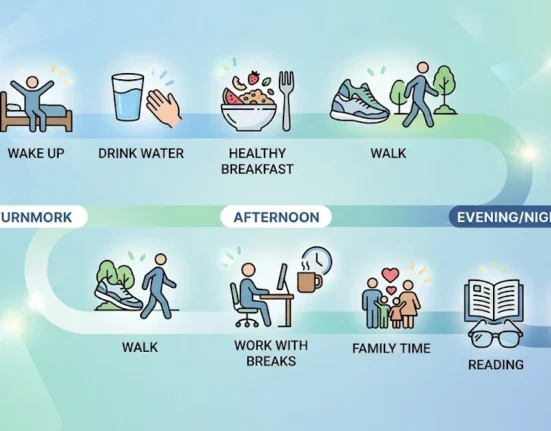
Instead, give yourself a few quiet minutes. Open a window, drink a glass of water, stretch lightly, or simply sit peacefully before checking your phone.
This habit helps create a smoother transition into the day. Rather than reacting immediately to outside demands, you begin the morning with a sense of calm and awareness.
Focus on Three Priorities Instead of a Long To-Do List
Long task lists often create pressure instead of productivity. When twenty different tasks compete for attention, it becomes difficult to know where to begin.
A practical alternative is to identify three important priorities for the day. These should be meaningful tasks that move you forward.
- Complete an important work project.
- Spend 20 minutes exercising.
- Organize one area of your home.
When your goals are clear, it becomes easier to focus. Finishing even a few important tasks creates a sense of accomplishment and reduces mental clutter.
Keep One Small Area Organized
Your environment influences your mood more than most people realize. A cluttered workspace or messy room can create visual stress and make concentration more difficult.
You do not need to deep clean your entire home every day. Instead, choose one small area to maintain regularly.
This could be:
- Your work desk
- Your bedside table
- Your study area
- Your kitchen counter
- Your daily-use bag
Spending five minutes organizing a small space can make your surroundings feel more manageable and help reduce unnecessary distractions.
Give Your Mind Regular Breaks
Many people continue working until they feel completely exhausted. By that point, concentration drops, mistakes increase, and motivation disappears.
Taking short breaks throughout the day can actually improve productivity. Stand up, stretch, walk around the room, refill your water bottle, or look away from your screen for a few minutes.
These brief pauses help refresh your focus and reduce physical discomfort caused by sitting for long periods.
If you spend many hours sitting, maintaining proper posture is equally important. Poor sitting habits can place extra stress on the neck, shoulders, and lower back. Learning about correct sitting posture for lower back pain can help improve daily comfort and reduce unnecessary strain.
Make Hydration a Daily Priority
Water is one of the simplest wellness habits, yet it is often overlooked. Mild dehydration can contribute to fatigue, headaches, poor concentration, and reduced energy levels.
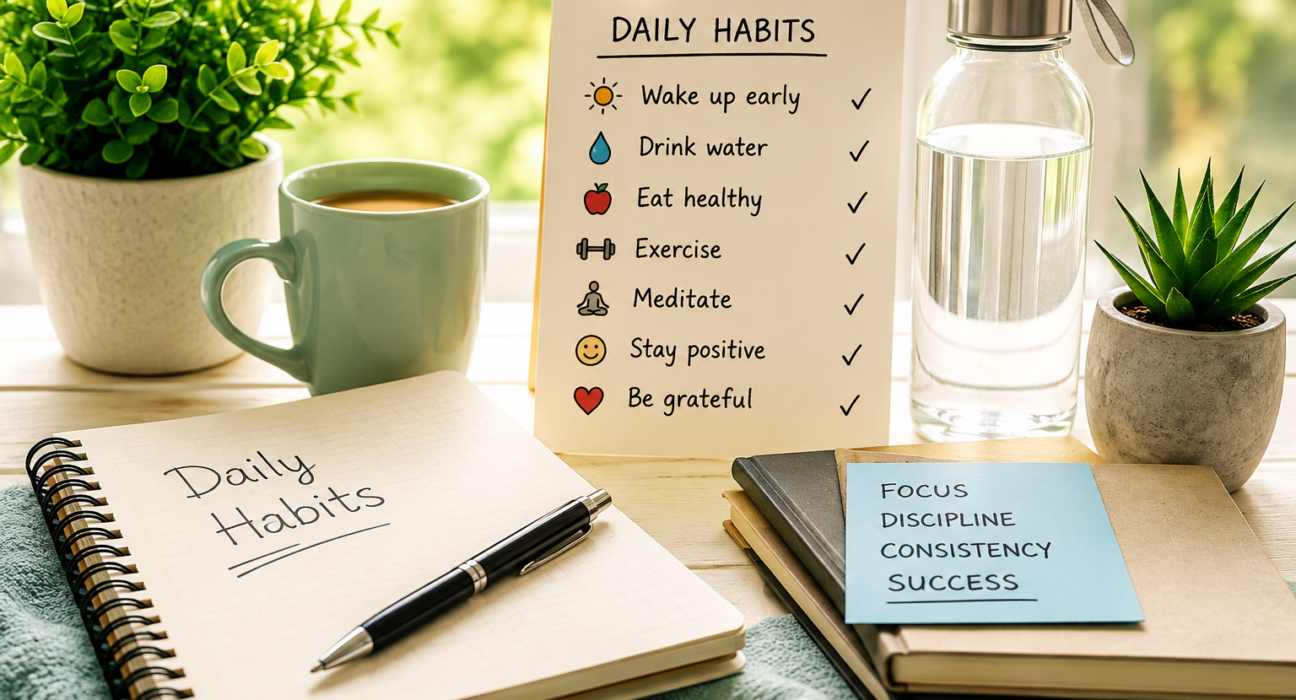
A practical solution is to keep water nearby throughout the day. A visible water bottle serves as a reminder to drink regularly without forcing yourself into a strict routine.
You can also connect hydration with existing habits:
- Drink water after waking up.
- Drink water before meals.
- Drink water after exercise.
- Drink water when returning home.
These small reminders make hydration feel natural rather than like another task to complete.
Use Technology More Intentionally
Phones, tablets, and computers are useful tools, but constant notifications can interrupt focus and increase mental fatigue.
Consider reviewing which notifications truly need your attention. Many alerts can be turned off without affecting your day.
You may also benefit from creating phone-free moments during:
- Meals
- Family conversations
- Exercise sessions
- Focused work periods
- Before bedtime
These small boundaries can improve concentration and help you stay present in daily life.
Move Your Body Every Day
Physical activity does not always require a gym membership or intense workout. Even a short walk can improve circulation, support mental clarity, and boost energy levels.
Movement breaks are especially valuable for people who work at desks or spend long hours sitting. Gentle stretching, walking, or simple bodyweight exercises can help reduce stiffness and improve overall comfort.
The goal is consistency rather than perfection. Ten minutes of daily movement is often more sustainable than an ambitious routine that is difficult to maintain.
Build a Better Evening Routine
The way you end your day influences how you begin the next one. Many people carry unfinished thoughts, screen fatigue, and stress into bedtime.
A simple evening reset can help you feel more prepared for tomorrow.
Consider:
- Writing tomorrow’s priorities
- Preparing clothes for the next day
- Tidying one small area
- Reading a few pages of a book
- Reducing screen time before sleep
These habits help quiet the mind and create a smoother transition into rest.
Accept Progress Instead of Perfection
One of the biggest mistakes people make when building habits is expecting perfection. They create strict routines, follow them for a few days, miss one day, and then abandon the entire plan.
Real habits grow through consistency, not perfection. Missing a day does not erase your progress.
The goal is not to build a flawless routine. The goal is to create habits that fit your actual lifestyle and can be repeated for months rather than days.
Small Habits Create Big Changes Over Time
Most positive lifestyle changes begin with actions that seem insignificant at first. Drinking water, cleaning a desk, taking a short walk, or planning tomorrow’s tasks may not feel life-changing in the moment.
However, when these habits become part of daily life, they create structure, reduce stress, and improve overall well-being.
Balance is rarely built through dramatic changes. It is usually created through small choices repeated consistently over time.
Final Thoughts
A balanced life does not require a perfect schedule. It simply requires habits that support your daily well-being. Start your morning calmly, focus on a few important tasks, stay hydrated, keep your surroundings organized, move your body, and create a peaceful evening routine.
These habits may appear simple, but they can make everyday life feel more manageable. The small actions you repeat each day often shape your health, mindset, and quality of life far more than occasional big decisions.
FAQs
1. What are daily habits?
Daily habits are small actions that you perform regularly. They help create structure, improve productivity, and support physical and mental well-being.
2. How can I start building better habits?
Begin with one simple habit and repeat it consistently. Once it becomes natural, gradually introduce another habit.
3. Why do small habits matter?
Small habits are easier to maintain than major lifestyle changes. Over time, they can significantly improve health, focus, and daily organization.
4. Can daily habits reduce stress?
Yes. Habits such as planning your day, staying hydrated, taking breaks, and keeping your environment organized can help reduce daily stress.
5. How long does it take for a habit to feel natural?
The timeline varies for each person, but consistency is more important than speed. Regular repetition helps habits become part of your routine.
Author Bio
Pure Fit Day Lifestyle Team creates practical wellness content focused on healthy routines, productivity habits, personal development, daily wellness, and sustainable lifestyle improvements. Our mission is to help readers build healthier lives through simple, realistic habits.
References
- Harvard Health Publishing – Healthy Habits and Lifestyle Wellness
- Mayo Clinic – Healthy Lifestyle Guidelines
- Centers for Disease Control and Prevention (CDC) – Healthy Living Resources
- National Institutes of Health (NIH) – Wellness and Health Information
- World Health Organization (WHO) – Healthy Lifestyle Recommendations
Disclaimer
This article is intended for educational and informational purposes only. It should not be considered medical, psychological, or professional advice. Individual lifestyle needs vary, and readers should consult qualified professionals regarding specific health concerns or personal circumstances.