

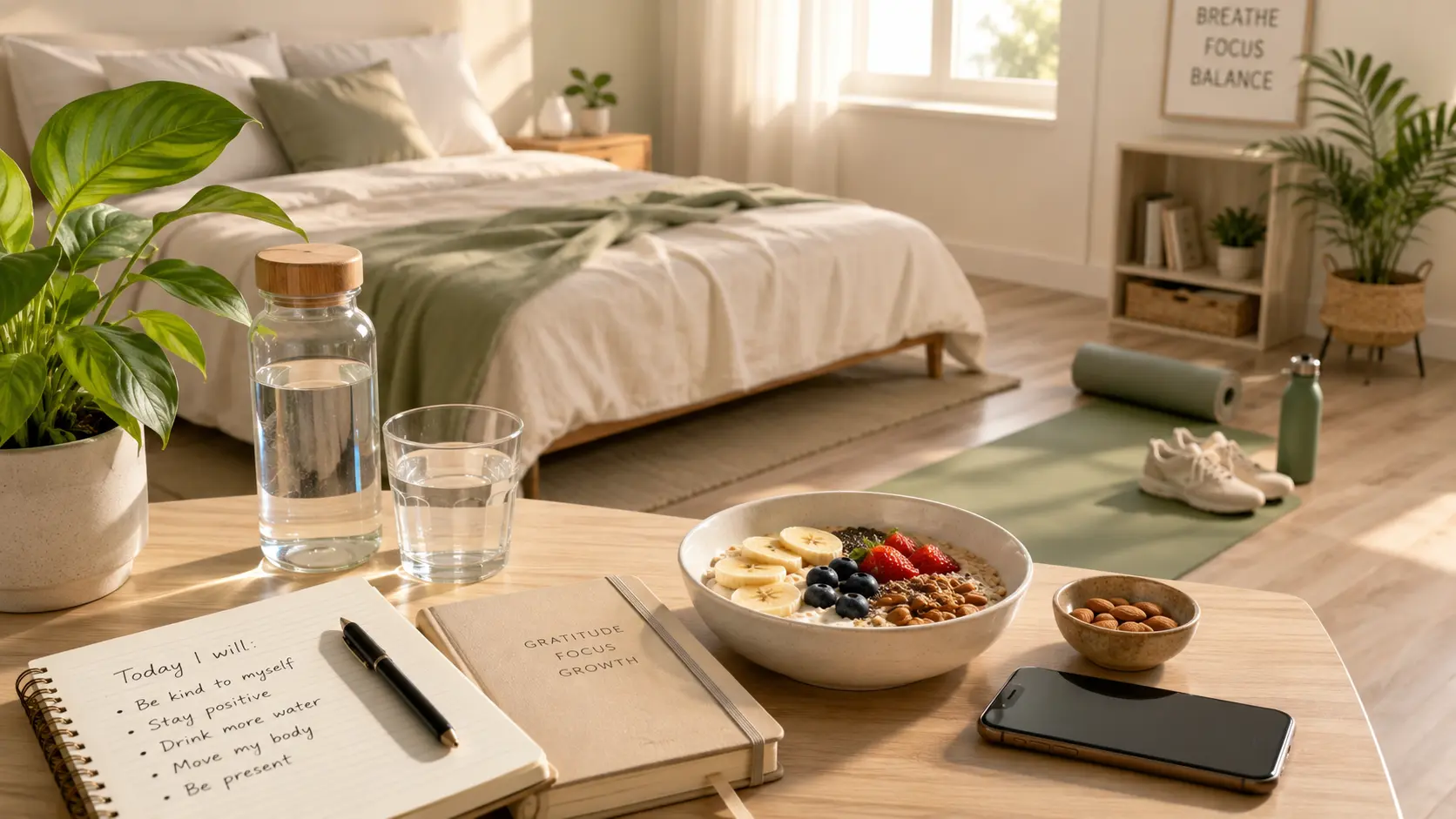
Mind Wellness Tips for a Balanced Lifestyle
Mind Wellness is an important part of a healthy lifestyle. It affects how you think, feel, work, sleep, eat, and connect with others. A balanced lifestyle is not about being happy all the time. It is about building simple habits that help your mind feel calmer, clearer, and stronger during everyday life.
Many people focus only on physical health, but mental health also needs daily care. Small actions like better sleep, regular movement, healthy meals, screen breaks, and meaningful rest can support your emotional well-being over time.
What Does Mind Wellness Mean?
Mind wellness means taking care of your thoughts, emotions, stress levels, and daily mental habits. It helps you manage normal life pressure without feeling completely drained.
A person with better mind wellness may still feel stress, sadness, or worry sometimes. The difference is that they have healthy ways to respond, recover, and ask for support when needed.
Why Mind Wellness Matters in Daily Life
Your mind affects many parts of your routine. When your mental health is supported, it becomes easier to make better choices.
- You may sleep better.
- You may feel more focused.
- You may handle stress more calmly.
- You may communicate better with others.
- You may feel more motivated to care for your body.
According to the World Health Organization, mental health helps people cope with stress, learn well, work well, and contribute to their community.
Start Your Day With a Calm Routine
The way you begin your morning can affect your mood for hours. A rushed morning may increase stress before the day even begins.
You do not need a long morning routine. Start with small steps.
- Wake up 10 minutes earlier.
- Drink a glass of water.
- Stretch your body gently.
- Avoid checking your phone immediately.
- Write down one important task for the day.
This simple start gives your brain a clear and peaceful signal.
Mind Wellness and Better Sleep
Sleep is one of the strongest foundations of Mind Wellness. Poor sleep can make stress feel heavier and emotions harder to manage.
Try to create a sleep routine that feels realistic.
- Go to bed and wake up around the same time.
- Keep your room cool and quiet.
- Avoid heavy meals close to bedtime.
- Reduce screen use before sleep.
- Use a calming activity like reading or deep breathing.
Better sleep does not happen in one night. Give your body time to adjust.
Move Your Body to Support Your Mood
Physical activity is not only for weight control. It also supports mental health. The National Institute of Mental Health notes that regular exercise, even walking, can help improve mood and overall health.
You do not need a gym membership. Try simple movement that fits your routine.
- Walk for 15 to 30 minutes.
- Do light stretching at home.
- Dance to your favorite song.
- Take the stairs when possible.
- Stand up and move during long sitting periods.
Small movement breaks can refresh your mind during a busy day.
Eat in a Way That Supports Mind Wellness
Food cannot solve every emotional problem, but healthy meals can support energy, focus, and mood stability.
Build meals with:
- Whole grains
- Fruits and vegetables
- Lean protein
- Healthy fats
- Water
Skipping meals or eating mostly sugary snacks may lead to energy crashes. A steady eating routine can help your body and mind feel more balanced.
Good nutrition also plays an important role in supporting mental well-being. Learn how healthy eating and smart supplement choices work together in our guide on Balanced Diet and Supplements: What You Need to Know.
Take Breaks Before You Feel Burned Out
Many people wait until they feel exhausted before resting. A better approach is to take small breaks throughout the day.
Try the 5-minute reset:
- Pause what you are doing.
- Take five slow breaths.
- Relax your shoulders.
- Drink water.
- Return to your task with a calmer mind.
Short breaks can protect your energy and reduce mental overload.
Protect Your Mind From Too Much Screen Time
Phones and social media can be useful, but too much scrolling may increase stress, comparison, and poor sleep.
Set simple screen boundaries.
- Keep your phone away during meals.
- Turn off non-urgent notifications.
- Avoid social media before bedtime.
- Take one screen-free hour each day.
- Follow accounts that make you feel informed, not drained.
Your mind needs quiet space to rest and reset.
Build Strong Social Connections
Human connection is a key part of emotional wellness. You do not need a large group of friends. Even one trusted person can make a difference.
Try to connect in simple ways:
- Call a friend.
- Share a meal with family.
- Send a kind message.
- Join a class or group activity.
- Talk honestly with someone you trust.
Good relationships can help you feel supported during hard times.
Practice Self-Talk That Helps You Grow
The way you speak to yourself matters. Harsh self-talk can make stress feel worse.
Instead of saying, “I always fail,” try saying, “This is hard, but I can take one step.”
Instead of saying, “I should be perfect,” try saying, “I am learning and improving.”
Kind self-talk does not mean ignoring mistakes. It means correcting yourself without breaking yourself down.
Know When to Ask for Help
Self-care is helpful, but it is not a replacement for professional support. If stress, sadness, anxiety, or hopelessness lasts for a long time, it is important to speak with a qualified mental health professional.
You should seek help if you notice:
- Loss of interest in daily life
- Constant worry or fear
- Major changes in sleep or appetite
- Feeling hopeless
- Thoughts of harming yourself
Getting help is a sign of strength, not weakness.
Simple Mind Wellness Plan for One Week
Here is an easy plan to begin without feeling overwhelmed.
- Monday: Take a 15-minute walk.
- Tuesday: Sleep 30 minutes earlier.
- Wednesday: Eat one extra serving of vegetables.
- Thursday: Take a 5-minute breathing break.
- Friday: Call or message someone you trust.
- Saturday: Spend one hour away from screens.
- Sunday: Plan three healthy habits for the next week.
This plan is simple, but it builds consistency.
What to Remember
Mind Wellness is not about living a perfect life. It is about creating daily habits that support your mental, emotional, and physical health. Better sleep, movement, healthy food, screen limits, social connection, and kind self-talk can all help you feel more balanced.
Start with one small habit today. When that habit becomes easier, add another. A balanced lifestyle is built step by step.
Frequently Asked Questions
1. What is mind wellness?
Mind wellness means caring for your thoughts, emotions, stress levels, and daily mental habits so you can handle life in a healthier way.
2. Can daily habits improve mental wellness?
Yes. Simple habits like better sleep, regular movement, healthy meals, and short breaks can support mental wellness over time.
3. How can I reduce stress naturally?
You can reduce stress by walking, deep breathing, limiting screen time, getting enough sleep, and talking to someone you trust.
4. Is mind wellness the same as mental illness treatment?
No. Mind wellness habits support daily mental health, but they do not replace treatment from a qualified mental health professional.
5. When should I seek professional help?
You should seek help if stress, sadness, anxiety, hopelessness, or changes in sleep and appetite continue for a long time or affect daily life.
Author Bio
Sophia Lane is a wellness content writer who focuses on simple mental health habits, balanced living, and practical self-care. She writes in a clear and supportive style to help readers make small changes that feel realistic and sustainable.
References
- National Institute of Mental Health – Caring for Your Mental Health
- Centers for Disease Control and Prevention – Managing Stress
- World Health Organization – Mental Health
Disclaimer
This article is for general education only and is not a substitute for mental health diagnosis, therapy, or medical care. If you feel overwhelmed, unsafe, hopeless, or unable to manage daily life, please contact a qualified healthcare professional or local emergency support service right away.





Leave feedback about this