


Mental Wellness Tips for Teenagers
Teen mental wellness is an important part of teenage life because this age comes with many changes. School pressure, exams, friendships, family expectations, body image, social media, and future worries can all affect how a teenager feels. Some days feel normal, while other days may feel heavy, confusing, or stressful.
Mental wellness does not mean staying happy all the time. It means learning how to understand emotions, handle stress, talk about problems, and build daily habits that support a calmer mind. Teenagers do not need a perfect routine. Small steps like better sleep, movement, healthy screen use, and honest communication can make a real difference.
These mental wellness tips for teenagers are simple, practical, and easy to follow at home, school, or in daily life.
Why Teen Mental Wellness Matters
Teenagers go through physical, emotional, and social changes. During this stage, mood changes are common. A teen may feel confident one day and worried the next. This is normal, but when stress, sadness, anger, or anxiety begins affecting sleep, study, eating, friendships, or normal routine, it should not be ignored.
Good teen mental wellness can support better focus, stronger confidence, healthier friendships, improved sleep, and better emotional control. It can also help teenagers manage pressure without feeling completely overwhelmed.
Mental wellness is connected to daily habits. Poor sleep can make stress worse. Too much scrolling can affect mood. No physical activity can make the body feel tired and lazy. Lack of communication can make small problems feel bigger. This is why a balanced routine matters.
Best Teen Mental Wellness Tips
The best teen mental wellness tips are not complicated. They are small actions that help teenagers feel more stable and in control. A teen may not control every situation, but they can control some daily choices.
1. Build a Better Sleep Routine
Sleep is one of the most important parts of teen mental wellness. Many teenagers sleep late because of homework, phones, gaming, videos, or overthinking. The next morning, they may feel tired, irritated, and unable to focus.
A better sleep routine can start with small changes. Try sleeping and waking up around the same time most days. Keep the phone away before bed. Prepare school items at night so the morning feels less stressful.
A simple night routine may include washing your face, preparing clothes, writing a small to-do list, reading something light, and taking slow breaths before sleeping. Better sleep can improve mood, memory, focus, and energy.
2. Talk to Someone You Trust
Teenagers often keep feelings inside because they do not want to look weak or dramatic. But talking can reduce emotional pressure. A trusted person can be a parent, sibling, cousin, teacher, school counselor, or close friend.
You do not have to explain everything perfectly. Start with one simple sentence like, “I have been feeling stressed,” or “I need to talk about something.” When feelings stay hidden for too long, they can become heavier. Sharing them with the right person can make them easier to manage.
3. Use Journaling to Clear Your Mind
Journaling is a simple way to organize thoughts. You do not need fancy words or perfect grammar. Just write what is going on in your mind.
You can write about what made you stressed, what went well today, what you are worried about, or what you want to do tomorrow. This helps you notice your emotions instead of keeping them all mixed up inside.
Journaling is especially helpful at night when the mind feels busy. Even five minutes can help you feel lighter.
4. Move Your Body Daily
Physical movement is not only for fitness. It also supports teen mental wellness by helping the body release tension and feel more active. A short walk, stretching, cycling, dancing, or playing a sport can improve mood and reduce stress.
You do not need a gym membership. Walking outside, doing a home workout, playing badminton, or stretching in your room can all help. The goal is to move regularly, not to become perfect.
When the body feels active, the mind often feels clearer too.
5. Keep Screen Time Balanced
Screens are part of teen life, but too much scrolling can affect sleep, focus, and confidence. Social media can also cause comparison, especially when teens see filtered photos, perfect routines, or unrealistic lifestyles online.
Healthy screen habits are important for teen mental wellness. You can start with simple limits like no phone during meals, no scrolling right after waking up, keeping the phone away during study, and avoiding screens before sleep.
You can also follow practical screen time balance habits to reduce digital overload and protect your mood.
6. Stop Comparing Yourself Online
Comparison can silently damage confidence. Online, people usually show the best parts of their lives. They may not show stress, family problems, failures, or bad days.
Every teenager has a different body, home life, school pressure, personality, and timeline. Comparing your real life with someone else’s edited moments is unfair to yourself.
A better question is: “Am I improving slowly?” Progress does not always look big. Sometimes progress means getting through a difficult day, completing homework, drinking water, or asking for help.
7. Create a Simple Daily Routine
A routine gives structure to the day. Teenagers do not need a strict timetable, but a few fixed habits can reduce stress.
A simple routine may include waking up without rushing, eating breakfast, completing schoolwork in small parts, taking breaks, moving the body, limiting late-night scrolling, and sleeping at a reasonable time.
Routine helps the mind feel more organized. It also reduces the stress of doing everything at the last minute.
8. Learn to Say No
Many teenagers say yes to things they do not want because they fear judgment or rejection. But saying yes all the time can create stress.
Healthy boundaries are part of mental wellness. You can say no politely without being rude. For example, “I cannot do that today,” “I need time for myself,” or “I am not comfortable with that.”
Learning to say no helps protect your time, energy, and peace of mind.
9. Eat and Drink Properly
Food and hydration can affect mood and energy. Skipping meals, drinking too many sugary drinks, or eating only snacks can make teenagers feel weak, tired, or irritated.
A balanced routine does not have to be perfect. Try to eat regular meals, drink enough water, and include simple home food, fruits, or healthy snacks when possible.
Food is not a cure for stress, but it supports the body. When the body feels better, the mind also has more support.
10. Know When to Ask for Help
Some stress is normal, but serious emotional struggles should not be ignored. If sadness, anxiety, anger, fear, or hopelessness continues and affects daily life, it is important to speak to a trusted adult or professional.
Ask for help if you feel unsafe, lose interest in things you once enjoyed, sleep too much or too little, stop eating properly, feel panic often, or have thoughts of hurting yourself.
Asking for help is not weakness. It is a brave and responsible step.
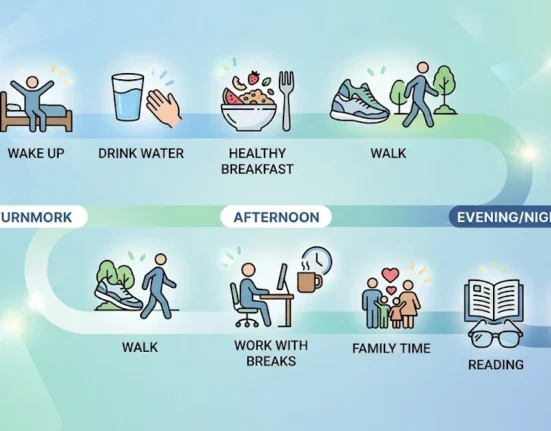
Simple Daily Mental Wellness Routine
- Morning: Drink water and avoid the phone for the first few minutes.
- Afternoon: Take a short break after school.
- Evening: Walk, stretch, or spend time on a hobby.
- Night: Write thoughts in a journal and reduce screen use.
- Before sleep: Take slow breaths and relax.
This simple routine can support teen mental wellness when followed regularly.
Final Thoughts
Mental wellness tips for teenagers should feel realistic, not stressful. Teenagers already deal with many changes, so the goal is not to add pressure. The goal is to build small habits that make life feel more balanced.
Good teen mental wellness starts with basic care: sleep better, talk to someone, move your body, reduce harmful screen habits, eat properly, write your thoughts, and ask for help when needed.
Every teenager has difficult days. That does not mean they are failing. With patience, support, and healthy habits, teens can learn to manage stress, build confidence, and take better care of their mind.
FAQs
1. What are simple mental wellness tips for teenagers?
Simple tips include sleeping properly, talking to a trusted person, journaling, staying active, taking screen breaks, eating regular meals, and asking for help when emotions feel too heavy.
2. How can teenagers manage stress during exams?
Teenagers can manage exam stress by making a study plan, taking short breaks, sleeping well, avoiding last-minute cramming, drinking water, and talking to someone if pressure feels too much.
3. Can screen time affect teen mental wellness?
Yes, screen time can affect mood, sleep, focus, and confidence, especially when teens scroll late at night or compare themselves with others online. Healthy screen boundaries can help.
4. Why is sleep important for teenagers’ mental health?
Sleep helps with mood, memory, focus, and emotional control. When teenagers do not sleep enough, they may feel more irritated, stressed, tired, or unfocused during the day.
5. When should a teenager ask for professional help?
A teenager should ask for help if sadness, anxiety, anger, hopelessness, sleep problems, self-harm thoughts, or loss of interest continues and starts affecting daily life, school, eating, or relationships.
Author Bio
Pure Fit Day Teen Wellness Team creates practical lifestyle content for teenagers and families. Our articles focus on simple daily habits, emotional balance, sleep, movement, digital wellness, and realistic routines that can support healthier teen living.
References
- NHS — Mental health support for children, teenagers and young adults
- NHS Every Mind Matters — Self-care tips for young people
- National Institute of Mental Health — Child and adolescent mental health
- Mayo Clinic — Teens and social media use
- Sleep Foundation — Screen time and insomnia for teens
Disclaimer
This article is for general mental wellness education only. It is not a diagnosis, therapy, or replacement for professional mental health care. If a teenager feels unsafe, has thoughts of self-harm, feels hopeless, or cannot manage daily life because of emotional distress, they should speak to a trusted adult and seek urgent help from a qualified healthcare professional or local emergency service.




Leave feedback about this