


Hydration Tips for Seniors to Stay Healthy
Hydration is an important part of healthy aging, but many seniors do not drink enough fluids during the day. As people get older, the feeling of thirst may become weaker. This means some older adults may not feel thirsty even when their body needs water.
Good hydration supports energy, digestion, circulation, joint comfort, brain function, and overall wellness.
Hydration tips for seniors do not need to be complicated. Simple habits such as drinking water regularly, keeping fluids nearby, eating water-rich foods, and paying attention to signs of dehydration can help support better daily health.
Staying hydrated is not only about drinking large amounts of water at once. It is about keeping a steady fluid routine throughout the day.
Why Hydration Matters for Seniors
Water helps the body perform many important functions.
It supports digestion, helps transport nutrients, keeps joints comfortable, supports body temperature, and helps the body remove waste.
For seniors, hydration is especially important because dehydration can happen more easily.
Good hydration may help support:
- Better energy
- Healthy digestion
- Circulation
- Joint comfort
- Clearer thinking
- Healthy skin
- Overall wellness
Even mild dehydration can make seniors feel tired, weak, dizzy, or less focused.
Why Seniors May Drink Less Water
Many seniors naturally drink less water for several reasons.
Some may not feel thirsty often. Others may avoid drinking too much because they worry about frequent bathroom trips. Some seniors may have difficulty getting up to get water, while others may simply forget to drink regularly.
Certain medications or health conditions may also affect hydration needs.
This is why building small hydration habits can be helpful.
Keep Water Nearby
One of the easiest hydration tips for seniors is to keep water within reach.
Place a water bottle or glass of water in common areas such as:
- Bedside table
- Living room
- Kitchen counter
- Dining table
- Work desk
When water is visible, it becomes easier to remember.
Seniors do not need to drink a large amount at once. Small sips throughout the day can be more comfortable and realistic.
Start the Day with Water
After sleeping for several hours, the body may need fluids.
Drinking a small glass of water in the morning can help start the day well.
This habit can be paired with breakfast, morning medication, or a gentle morning routine.
A small morning hydration habit can support energy and comfort before daily activities begin.
Eat Water-Rich Foods
Hydration does not only come from plain water.
Many foods naturally contain water and can support daily fluid intake.
Water-rich foods include:
- Watermelon
- Oranges
- Strawberries
- Cucumbers
- Lettuce
- Tomatoes
- Soups
- Melons
These foods can be especially helpful for seniors who do not enjoy drinking plain water.
They also provide vitamins, minerals, and fiber.
Try Herbal Tea
Herbal tea can be a gentle and comforting way to increase fluid intake.
Warm drinks may feel easier for some seniors, especially in the morning or evening.
Good options may include:
- Chamomile tea
- Peppermint tea
- Ginger tea
- Lemon tea
Choose unsweetened options when possible.
Herbal tea can add variety to a hydration routine without relying on sugary drinks.
Add Flavor to Water
Some seniors do not drink enough water because plain water feels boring.
Adding natural flavor can make water more enjoyable.
Simple options include:
- Lemon slices
- Cucumber slices
- Mint leaves
- Orange slices
- Berries
Flavored water can feel refreshing without adding too much sugar.
Limit Sugary Drinks
Sugary drinks may taste good, but they are not always the best choice for daily hydration.
Drinks such as soda, sweet tea, energy drinks, and sugary juices can add extra sugar without providing balanced nutrition.
It is okay to enjoy sweet drinks occasionally, but water, herbal tea, milk, and soups are usually better daily choices.
Hydration and Nutrition Work Together
Hydration is connected to nutrition.
The body needs fluids to help digest food, absorb nutrients, and support daily energy.
A balanced diet with enough fluids, protein, fruits, vegetables, and whole grains can support healthy aging.
If you are also working on muscle health, you may find this guide helpful: Protein Needs for Seniors and Muscle Health.
Protein and hydration both play important roles in senior wellness.
Watch for Signs of Dehydration
Seniors should be aware of possible signs of dehydration.
These may include:
- Dry mouth
- Dark urine
- Dizziness
- Fatigue
- Headache
- Confusion
- Muscle cramps
- Weakness
These signs can have different causes, but dehydration may be one of them.
If symptoms are severe or ongoing, seniors should speak with a healthcare professional.
Hydration During Warm Weather
Hot weather can increase fluid needs.
Seniors may sweat more during warm days, even if they are not very active.
During hot weather, it can help to:
- Drink fluids more often
- Stay in shaded or cool areas
- Eat water-rich fruits
- Avoid long exposure to extreme heat
- Keep water nearby
Hydration becomes especially important during summer months.
Hydration During Exercise
Seniors who walk, stretch, exercise, garden, or do household work may need extra fluids.
Drink water before and after activity.
For longer activity, sipping water during movement may also help.
Even gentle exercise can increase fluid needs, especially in warm weather.
Soups and Broths Can Help
Soups and broths can support hydration while also providing nutrients.
They are especially useful for seniors who prefer warm meals.
Vegetable soup, lentil soup, chicken soup, and broth-based meals can provide fluid, minerals, and comfort.
Try to choose lower-sodium options when possible.
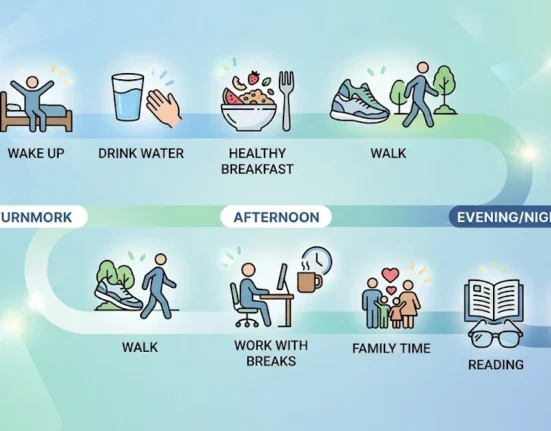
Create a Simple Hydration Routine
A daily hydration routine can make drinking fluids easier.
For example:
Morning
- Drink water after waking
- Have tea or milk with breakfast
Afternoon
- Keep water nearby
- Eat fruit with lunch
- Drink water before or after walking
Evening
- Have soup or herbal tea
- Take small sips before bedtime if suitable
This type of routine can help seniors stay hydrated without feeling overwhelmed.
Be Careful with Medical Conditions
Some seniors may need special fluid guidance.
People with kidney disease, heart failure, certain medications, or fluid restrictions should follow medical advice.
Hydration is important, but individual needs can vary.
A healthcare professional can provide guidance based on personal health conditions.
Final Thoughts
Hydration tips for seniors are simple but important for daily wellness.
Drinking water regularly, keeping fluids nearby, eating water-rich foods, enjoying herbal tea, adding natural flavor to water, and watching for dehydration signs can all support healthy aging.
The goal is not to drink too much at once.
The goal is steady hydration throughout the day.
With small daily habits, seniors can support energy, digestion, circulation, joint comfort, and overall health.
FAQs
1. Why is hydration important for seniors?
Hydration supports energy, digestion, circulation, joint comfort, body temperature, and overall wellness.
2. Why do seniors get dehydrated more easily?
Seniors may feel less thirsty, drink less water, take certain medications, or have health conditions that affect hydration.
3. How can seniors drink more water?
Keeping water nearby, drinking small sips throughout the day, adding natural flavor, and pairing water with meals can help.
4. What foods help seniors stay hydrated?
Watermelon, oranges, strawberries, cucumbers, lettuce, tomatoes, soups, and melons can support hydration.
5. Is herbal tea good for hydration?
Yes. Unsweetened herbal tea can be a helpful fluid option for seniors.
6. What are signs of dehydration in seniors?
Dry mouth, dark urine, dizziness, fatigue, headache, confusion, weakness, and muscle cramps may be signs of dehydration.
7. Should seniors drink water before exercise?
Yes. Drinking water before and after gentle activity can help support comfort and hydration.
8. Can some seniors need fluid limits?
Yes. Seniors with kidney disease, heart failure, or certain medical conditions should follow their healthcare provider’s fluid advice.
Author Bio
About the Author
PureFitDay Editorial Team creates practical health, wellness, and nutrition content for readers who want simple guidance for healthier living. Our content focuses on healthy aging, senior nutrition, hydration, energy, fitness, mobility, strength, balance, and everyday wellness habits.
References
- Centers for Disease Control and Prevention (CDC) – Water and Healthier Drinks
https://www.cdc.gov - National Institute on Aging (NIA) – Healthy Eating
https://www.nia.nih.gov - World Health Organization (WHO) – Healthy Diet
https://www.who.int - Harvard Health Publishing – Hydration and Health
https://www.health.harvard.edu - Mayo Clinic – Water: How Much Should You Drink Every Day?
https://www.mayoclinic.org
Disclaimer
Medical Disclaimer
The information provided in this article is for educational and informational purposes only and should not be considered medical advice. Seniors should consult a qualified healthcare professional about hydration needs, especially if they have kidney disease, heart conditions, fluid restrictions, diabetes, medication concerns, or other medical conditions. Individual hydration needs may vary.





Leave feedback about this