

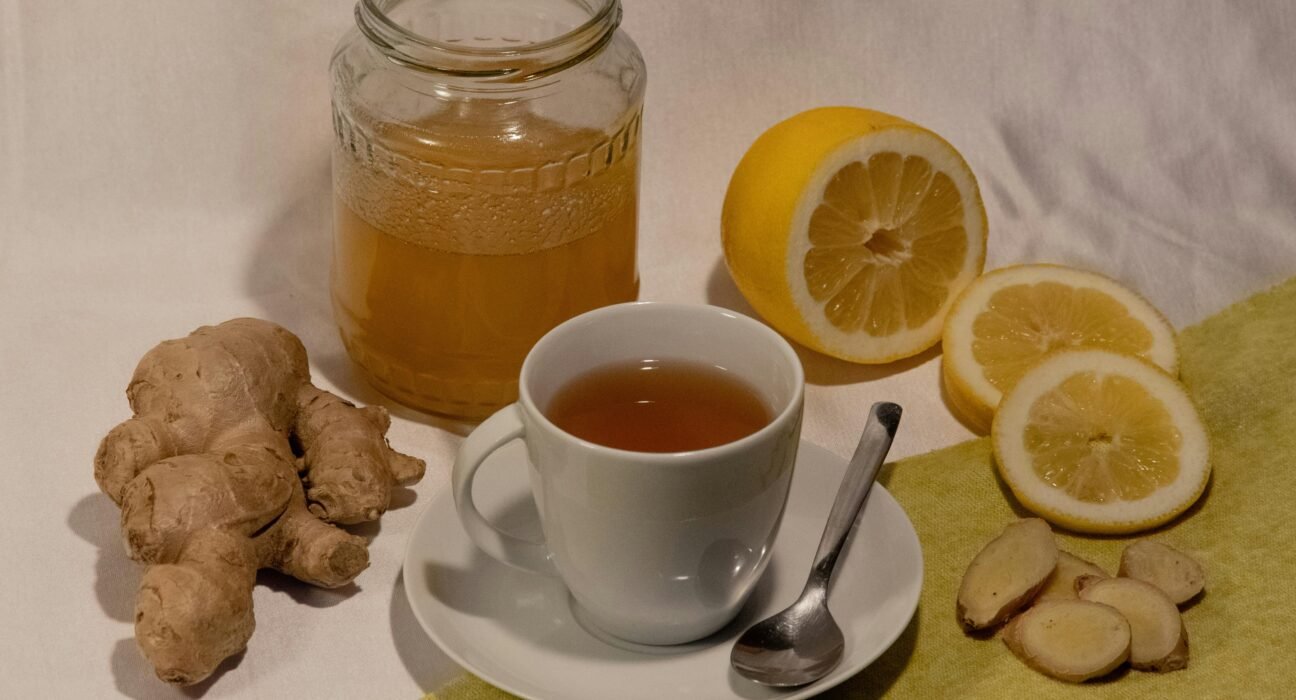
Herbal Teas for Digestion: Natural Ways to Improve Gut Health
A healthy digestive system does much more than process food. It affects your energy levels, comfort, appetite, immunity, and even how you feel throughout the day. When digestion is working well, meals feel lighter, bloating becomes less common, and the body can absorb nutrients more effectively.
One simple habit that has been used for generations is drinking herbal teas. Unlike sugary beverages or heavily processed drinks, herbal teas provide a gentle and natural way to support digestion. Many herbs contain plant compounds that may help soothe the digestive tract, reduce discomfort, and promote better gut function.
If you often deal with bloating, gas, indigestion, or stomach discomfort after meals, adding the right herbal tea to your routine may help support a healthier digestive system.
Why Digestive Health Deserves More Attention
Many people only think about digestion when something feels wrong. However, digestive health affects the entire body. The digestive system is responsible for breaking down food, absorbing nutrients, supporting the immune system, and removing waste efficiently.
When digestion slows down, common symptoms may appear, including:
- Bloating after meals
- Excess gas
- Stomach discomfort
- Irregular bowel movements
- Feeling overly full after eating
- Low energy levels
Supporting gut health through better food choices, hydration, movement, and herbal drinks can help improve overall wellness.
How Herbal Teas Support Digestion Naturally
Herbal teas are made from leaves, flowers, roots, seeds, or herbs rather than traditional tea leaves. Many herbal ingredients contain natural compounds that may help relax digestive muscles, reduce inflammation, and ease stomach discomfort.
Unlike heavily sweetened drinks, herbal teas are usually low in calories and easy to include in a daily routine. A warm cup after meals can become a simple habit that supports digestive comfort throughout the day.
Best Herbal Teas for Digestive Comfort
Ginger Tea
Ginger is one of the most popular natural remedies for digestive issues. It has been traditionally used to help reduce nausea, support stomach emptying, and ease occasional indigestion.
A cup of ginger tea after a heavy meal may help reduce feelings of fullness and support smoother digestion.
Peppermint Tea
Peppermint tea is widely known for its cooling and soothing effects. It may help relax muscles in the digestive tract, making it useful for occasional bloating, cramping, and discomfort after eating.
Many people enjoy peppermint tea in the evening because it feels refreshing without containing caffeine.
Chamomile Tea
Chamomile is often associated with relaxation, but it can also support digestive health. Stress and digestion are closely connected, and a calming herbal tea may help support both the mind and stomach at the same time.
Chamomile tea is commonly enjoyed before bed as part of a relaxing nighttime routine.
Fennel Tea
Fennel seeds have long been used to support digestion. Fennel tea may help reduce gas, bloating, and feelings of stomach heaviness after meals.
Its mild flavor makes it a popular option for people looking for a gentle digestive tea.
Lemon Balm Tea
Lemon balm belongs to the mint family and is known for its calming properties. It may help soothe occasional digestive discomfort while promoting relaxation.
This combination can be especially helpful when stress contributes to digestive symptoms.
Simple Brewing Tips for Better Results
Making herbal tea correctly helps preserve its natural flavor and beneficial compounds.
- Use fresh water whenever possible.
- Bring the water to a boil and then remove it from direct heat.
- Add herbs and allow them to steep for several minutes.
- Cover the cup while steeping to help retain aroma and flavor.
- Avoid over-boiling delicate herbs.
Most herbal teas taste best when prepared fresh rather than reheated multiple times.
Common Habits That Can Affect Digestion
Even the best herbal tea cannot fully compensate for habits that regularly upset digestion.
Some common digestive mistakes include:
- Eating too quickly
- Skipping meals
- Drinking large amounts of sugary beverages
- Eating heavy meals late at night
- Not drinking enough water
- Living with constant stress
Improving these habits often provides greater digestive benefits than relying on supplements alone.
Herbal Tea and Everyday Gut-Friendly Habits
Herbal tea works best when combined with other healthy habits. Regular movement, balanced meals, hydration, and stress management all play important roles in digestive health.
If you are also interested in supporting your immune system naturally, you may find this guide helpful:
For readers focused on overall wellness and activity levels, this resource may also be useful:
When Herbal Tea May Not Be Enough
Occasional bloating or mild digestive discomfort is common. However, ongoing digestive symptoms should not be ignored.
If you regularly experience severe pain, unexplained weight loss, persistent nausea, blood in stool, difficulty swallowing, or long-term digestive problems, consult a qualified healthcare professional for proper evaluation.
What to Remember
Herbal teas can be a simple and enjoyable addition to a healthy lifestyle. Ginger, peppermint, chamomile, fennel, and lemon balm teas are popular options that may help support digestive comfort naturally.
While herbal teas are not a cure for digestive disorders, they can become part of a balanced routine that includes healthy eating, hydration, physical activity, and stress management.
Small daily habits often create the biggest long-term improvements in gut health.
FAQs
1. Which herbal tea is best for bloating?
Peppermint tea and fennel tea are commonly used to help reduce occasional bloating and digestive discomfort.
2. Can I drink herbal tea every day?
Many herbal teas can be enjoyed daily in moderate amounts, but it is always best to consider individual health conditions and consult a healthcare professional if unsure.
3. Is ginger tea good after meals?
Yes, ginger tea is often consumed after meals because it may help support digestion and reduce feelings of heaviness.
4. Does chamomile tea help digestion?
Chamomile tea may help relax the body and support digestive comfort, especially when stress contributes to stomach discomfort.
5. When is the best time to drink herbal tea for digestion?
Many people enjoy herbal tea after meals or in the evening as part of a relaxing routine.
Author Bio
Pure Fit Day Natural Wellness Team creates evidence-based wellness content focused on nutrition, herbal health, fitness, preventive care, and healthy daily habits. Our goal is to provide practical information that supports long-term well-being.
References
- National Center for Complementary and Integrative Health (NCCIH) – Herbs at a Glance
- Harvard Health Publishing – Digestive Health Resources
- Cleveland Clinic – Digestive Wellness Information
- Johns Hopkins Medicine – Digestive Health Articles
- MedlinePlus – Digestive Diseases and Nutrition Topics
Disclaimer
This article is intended for educational and informational purposes only. It is not medical advice, diagnosis, or treatment. Herbal teas may not be suitable for everyone, especially individuals with certain medical conditions, allergies, or those taking medications. Consult a qualified healthcare professional before making significant changes to your diet or wellness routine.