

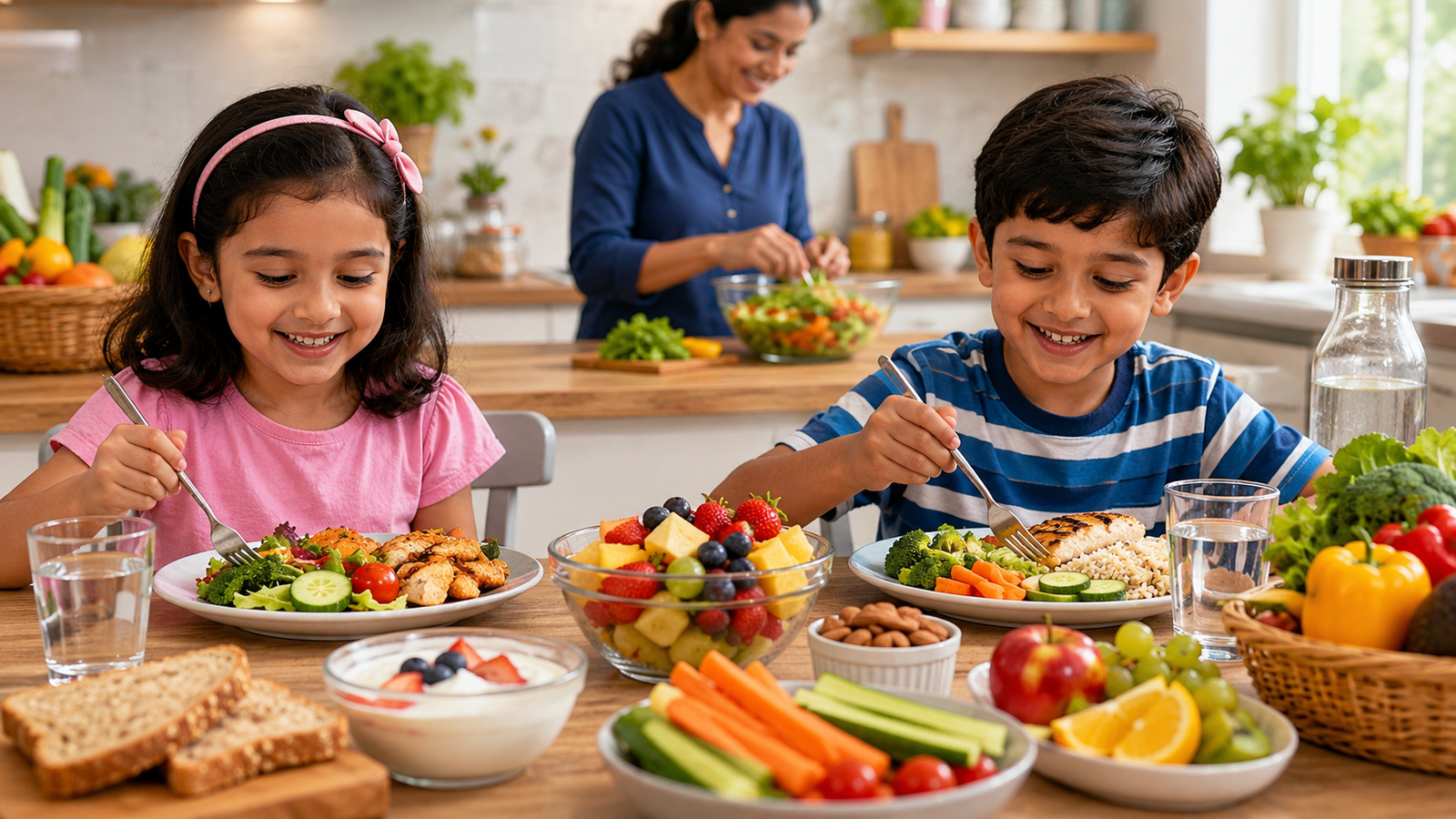
Healthy Eating Tips for Children
Healthy eating for children is not about forcing kids to eat vegetables or creating perfect meal plans. It is about helping children develop a positive relationship with food while giving their growing bodies the nutrients they need every day.
Many parents worry when their child refuses vegetables, prefers snacks, or wants the same foods repeatedly. These situations are common. The good news is that healthy eating habits are built gradually through daily choices, family routines, and consistent encouragement.
When children learn healthy eating habits early, those habits often stay with them for years. Balanced nutrition supports growth, learning, energy, concentration, and overall wellness throughout childhood.
Why Children’s Food Choices Matter
Childhood is a period of rapid growth and development.
Children need nutrients not only for physical growth but also for brain development, learning, and daily activities. Every meal and snack provides an opportunity to support their overall health.
Healthy eating for children may contribute to:
- Steady energy throughout the day
- Better concentration in school
- Healthy growth and development
- Strong bones and muscles
- Better digestion
- Improved daily wellness
- Positive lifelong food habits
Rather than focusing on individual foods, it is often more helpful to think about overall eating patterns.
What Does a Healthy Plate Look Like?
Many parents ask what a balanced meal should actually look like.
A simple healthy plate can include:
Half the Plate
Fruits and vegetables
One Quarter of the Plate
Protein foods
One Quarter of the Plate
Whole grains
Alongside the Meal
Water, milk, or another suitable beverage
This simple approach can make meal planning easier without counting calories or following complicated rules.
The Five Food Groups Every Child Needs
Instead of focusing on “good” foods versus “bad” foods, parents can focus on offering a variety of food groups.
Fruits
Fruits provide natural sweetness, fiber, vitamins, and minerals.
Examples include:
- Apples
- Oranges
- Bananas
- Berries
- Mangoes
- Melons
- Grapes
Fresh, frozen, and dried fruits can all be useful options.
Vegetables
Vegetables provide nutrients that support growth and overall wellness.
Good choices include:
- Carrots
- Cucumbers
- Spinach
- Broccoli
- Peas
- Bell peppers
- Sweet potatoes
Children often need multiple exposures before accepting a new vegetable.
Whole Grains
Whole grains provide energy and fiber.
Examples include:
- Oatmeal
- Brown rice
- Whole wheat bread
- Whole grain pasta
- Whole grain crackers
These foods can help children feel satisfied for longer.
Protein Foods
Protein supports growth, muscle development, and daily activity.
Examples include:
- Eggs
- Chicken
- Fish
- Beans
- Lentils
- Yogurt
- Cheese
- Tofu
Including protein in meals and snacks can help maintain steady energy.
Dairy and Alternatives
Dairy foods provide nutrients that support bone development.
Examples include:
- Milk
- Yogurt
- Cheese
- Fortified dairy alternatives
Parents can choose options that fit their family’s preferences and needs.
Breakfast Sets the Tone for the Day
Children often perform better when they begin the day with a balanced breakfast.
Healthy breakfast ideas include:
- Oatmeal with fruit
- Eggs and whole grain toast
- Yogurt with berries
- Whole grain cereal with milk
- Fruit smoothie with yogurt
Breakfast does not need to be elaborate. Even simple options can provide energy for learning and play.
Building Better School Lunches
Packing lunches can sometimes feel repetitive.
A simple formula can help:
Main Item
Sandwich, wrap, rice bowl, or pasta
Fruit
Apple slices, grapes, berries, or orange segments
Vegetable
Carrot sticks, cucumber slices, or bell peppers
Protein
Eggs, chicken, cheese, beans, or yogurt
Drink
Water
Balanced lunches help children stay energized throughout the school day.
Healthy Snacks That Children Actually Enjoy
Snacks can be useful between meals when children are hungry.
Good snack options include:
- Apple slices with nut butter
- Yogurt with fruit
- Cheese and crackers
- Boiled eggs
- Smoothies
- Banana slices
- Cucumber sticks
- Homemade trail mix
Healthy snacks do not have to be expensive or complicated.
Common Nutrition Mistakes Parents Make
Parents often have good intentions but may unintentionally create challenges around food.
Using Food as a Reward
Offering sweets as rewards can make other foods seem less appealing.
Pressuring Children to Eat
Pressure may create resistance and negative feelings around meals.
Offering Too Many Alternatives
Preparing multiple separate meals can encourage picky eating habits.
Skipping Family Meals
Family meals provide opportunities for positive food experiences.
Focusing Only on Weight
Healthy eating should focus on overall wellness rather than appearance.
How to Handle Picky Eaters
Picky eating is a normal stage for many children.
Helpful strategies include:
- Offer small portions
- Introduce foods gradually
- Stay patient
- Avoid food battles
- Allow children to help prepare meals
- Continue offering foods without pressure
Children often need time to become comfortable with new foods.
Healthy Eating During Busy Days
Many families have packed schedules.
Healthy eating does not require perfection.
Simple ideas include:
- Preparing snacks in advance
- Keeping fruit visible
- Using leftovers creatively
- Planning meals ahead
- Keeping healthy options available
Small habits can make healthy eating more manageable.
Healthy Eating and Daily Hygiene
Nutrition is only one part of child wellness.
Healthy eating works best when combined with clean daily habits and good personal care.
If you would like additional guidance, you can also read our guide on Simple Hygiene Tips for Kids.
Together, healthy eating and hygiene habits help support overall child wellness.
Final Thoughts
Healthy eating for children is not about creating perfect meals or following strict rules.
It is about offering balanced foods, encouraging variety, and helping children develop healthy habits over time.
Small changes often produce the biggest long-term results.
By focusing on consistency rather than perfection, parents can help children build a positive relationship with food that supports growth, learning, energy, and overall wellness.
FAQs
1. What are the most important foods for growing children?
Children benefit from fruits, vegetables, whole grains, protein foods, dairy or fortified alternatives, and water.
2. How many snacks should children eat each day?
This depends on age and activity level, but many children benefit from one to three balanced snacks daily.
3. What should I do if my child refuses vegetables?
Continue offering vegetables without pressure and present them in different ways.
4. Are packaged snacks always unhealthy?
Not necessarily. Some packaged foods can be part of a balanced diet when chosen carefully.
5. Should children drink juice every day?
Whole fruits are generally preferred because they provide fiber along with nutrients.
6. How can I encourage healthier eating habits?
Model healthy behaviors, offer balanced meals, and maintain positive mealtime routines.
7. Is breakfast really important for children?
Breakfast can help provide energy and support concentration during the day.
8. How can busy parents make healthy eating easier?
Meal planning, simple snacks, and keeping healthy foods readily available can help.
Author Bio
About the Author
Sarah Mitchell is a family wellness writer who specializes in child nutrition, healthy routines, and practical parenting guidance. She creates easy-to-follow content that helps families build healthier habits for everyday life.
References
- Academy of Nutrition and Dietetics – Child Nutrition Resources
- HealthyChildren.org – Nutrition Guidance for Families
- USDA MyPlate – Healthy Eating for Kids
- NHS – Healthy Eating for Children
- Nemours KidsHealth – Nutrition and Healthy Eating
Disclaimer
Nutrition Disclaimer
This article is intended for educational purposes only and should not be considered medical or nutritional advice. Parents and caregivers should consult a qualified healthcare professional or registered dietitian for concerns regarding a child’s nutrition, growth, allergies, dietary needs, or health conditions.





Leave feedback about this