

General & Medical Healthcare: The Foundation of a Healthy Life
Good health is not built through exercise and nutrition alone. A strong foundation begins with general & medical healthcare, which focuses on preventing illness, identifying health concerns early, and supporting overall well-being. Whether you are starting a fitness journey, improving your lifestyle, or simply aiming to stay healthy as you age, understanding the role of healthcare can help you make safer and more informed decisions.
Regular medical care allows individuals to monitor their health, manage existing conditions, and reduce the risk of future complications. It is one of the most important investments you can make in your long-term wellness.
Understanding General & Medical Healthcare
General & medical healthcare is a broad area of medicine dedicated to diagnosing, treating, and preventing a wide range of health conditions. Instead of focusing on one specific organ or system, healthcare professionals in this field look at the body as a whole.
These medical experts often serve as the first point of contact for patients. They assess symptoms, recommend diagnostic tests, provide treatment plans, and refer patients to specialists when necessary.
The goal is not only to treat illness but also to maintain health and improve quality of life through ongoing care and preventive measures.
Why General & Medical Healthcare Matters for Everyday Wellness
Many people only visit a doctor when they feel unwell. However, routine healthcare visits can identify potential problems before symptoms become serious.
Preventive healthcare helps detect issues such as high blood pressure, elevated cholesterol levels, vitamin deficiencies, diabetes risk factors, and other conditions that may otherwise go unnoticed.
Early detection often leads to better treatment outcomes and can help prevent more serious health complications in the future.
The Relationship Between Healthcare and Fitness
Fitness and healthcare work together to support a healthy lifestyle. Before beginning a new workout program, especially if you have underlying health conditions, a medical assessment can provide valuable information about your body’s readiness for physical activity.
Healthcare professionals may evaluate:
- Blood pressure levels
- Heart health and cardiovascular risk
- Blood sugar control
- Joint and mobility concerns
- Weight management factors
- Overall physical condition
By understanding these factors, you can build a safer and more effective fitness routine that aligns with your personal health needs.
Common Health Conditions Managed Through General & Medical Healthcare
General practitioners and internal medicine doctors manage a wide variety of health concerns. Some of the most common include:
Respiratory Conditions
Respiratory issues such as colds, flu, allergies, asthma, bronchitis, and respiratory infections can affect daily life and physical performance. Early treatment helps reduce complications and improve recovery.
Cardiovascular Health Concerns
Heart-related conditions remain one of the leading health concerns worldwide. Regular monitoring of blood pressure, cholesterol levels, and heart function helps identify risks before they become severe.
Metabolic Disorders
Conditions such as diabetes, insulin resistance, obesity, and thyroid disorders can impact energy levels, weight management, and overall health. Proper diagnosis and treatment are essential for long-term wellness.
Digestive and Nutritional Issues
Healthcare providers also help manage digestive problems, nutrient deficiencies, and dietary concerns that may affect overall health and fitness goals.
How Doctors Diagnose Health Problems
Modern healthcare relies on evidence-based diagnostic methods rather than assumptions. When symptoms appear, doctors use clinical evaluations and laboratory testing to identify the root cause.
Common diagnostic tools include:
- Complete blood count (CBC)
- Blood glucose testing
- Lipid profile testing
- Liver and kidney function tests
- Blood pressure monitoring
- Thyroid function testing
- Imaging studies when required
These tests provide valuable information that helps healthcare providers create accurate treatment plans.
Prevention: The Core of Modern Healthcare
One of the most important principles of general & medical healthcare is prevention. Preventive care focuses on reducing disease risk before health problems develop.
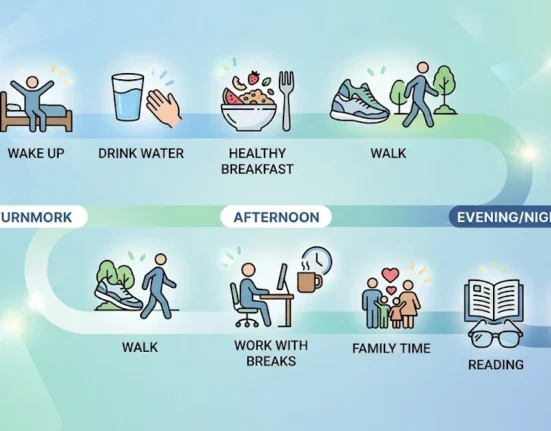
Simple preventive habits include:
- Scheduling routine medical checkups
- Receiving recommended vaccinations
- Following a balanced diet
- Staying physically active
- Getting adequate sleep
- Avoiding tobacco products
- Managing stress effectively
These habits can significantly reduce the likelihood of chronic diseases and support long-term wellness.
Mental Health and Physical Health Are Connected
Physical health and mental well-being influence each other more than many people realize. Chronic stress, anxiety, and emotional exhaustion can contribute to headaches, digestive issues, sleep disturbances, fatigue, and other physical symptoms.
Likewise, ongoing physical health conditions can affect mood, motivation, and emotional resilience.
Healthcare providers increasingly recognize the importance of addressing both mental and physical health to achieve complete wellness.
Signs That You Should Schedule a Medical Checkup
While annual health assessments are beneficial for most adults, certain symptoms should never be ignored.
You should consider consulting a healthcare professional if you experience:
- Persistent fatigue or weakness
- Unexpected weight gain or weight loss
- Changes in appetite
- Shortness of breath
- Frequent headaches
- Ongoing digestive problems
- High stress levels affecting daily life
- Symptoms that continue despite lifestyle changes
Seeking medical advice early often prevents minor issues from becoming major health concerns.
Building a Healthier Lifestyle Through Informed Care
A successful wellness journey involves more than exercise routines and healthy meals. Medical guidance helps ensure that lifestyle changes are appropriate for your individual needs and health status.
For more wellness resources and healthy lifestyle guidance, visit Pure Fit Day.
Conclusion
General & medical healthcare serves as the foundation of a healthy and balanced life. It supports disease prevention, early diagnosis, effective treatment, and long-term wellness. By combining regular healthcare visits with healthy daily habits, individuals can improve their quality of life, achieve fitness goals more safely, and maintain better overall health for years to come.
Frequently Asked Questions (FAQs)
What is the purpose of general & medical healthcare?
The primary purpose is to prevent, diagnose, and treat health conditions while promoting overall wellness and long-term health.
How often should adults have a routine health checkup?
Most adults benefit from an annual health assessment, although people with existing medical conditions may require more frequent visits.
Can medical checkups improve fitness results?
Yes. Medical evaluations help identify underlying issues that may affect exercise performance, recovery, and overall fitness progress.
Why is preventive healthcare important?
Preventive healthcare helps identify risks early, reducing the likelihood of serious diseases and improving treatment outcomes.
Does mental health affect physical health?
Absolutely. Stress, anxiety, and other mental health concerns can contribute to physical symptoms and impact overall well-being.
Author Bio
Pure Fit Day Editorial Team is dedicated to creating evidence-based health, fitness, and wellness content that helps readers make informed lifestyle choices. The team focuses on practical wellness strategies, preventive healthcare, healthy habits, and long-term well-being for individuals of all ages.
References
- World Health Organization (WHO)
- Centers for Disease Control and Prevention (CDC)
- National Heart, Lung, and Blood Institute
- MedlinePlus Health Information
Disclaimer
This article is intended for educational and informational purposes only and should not be considered medical advice. Always consult a qualified healthcare professional regarding any medical concerns, symptoms, diagnosis, or treatment decisions. Individual health needs may vary.
“`