

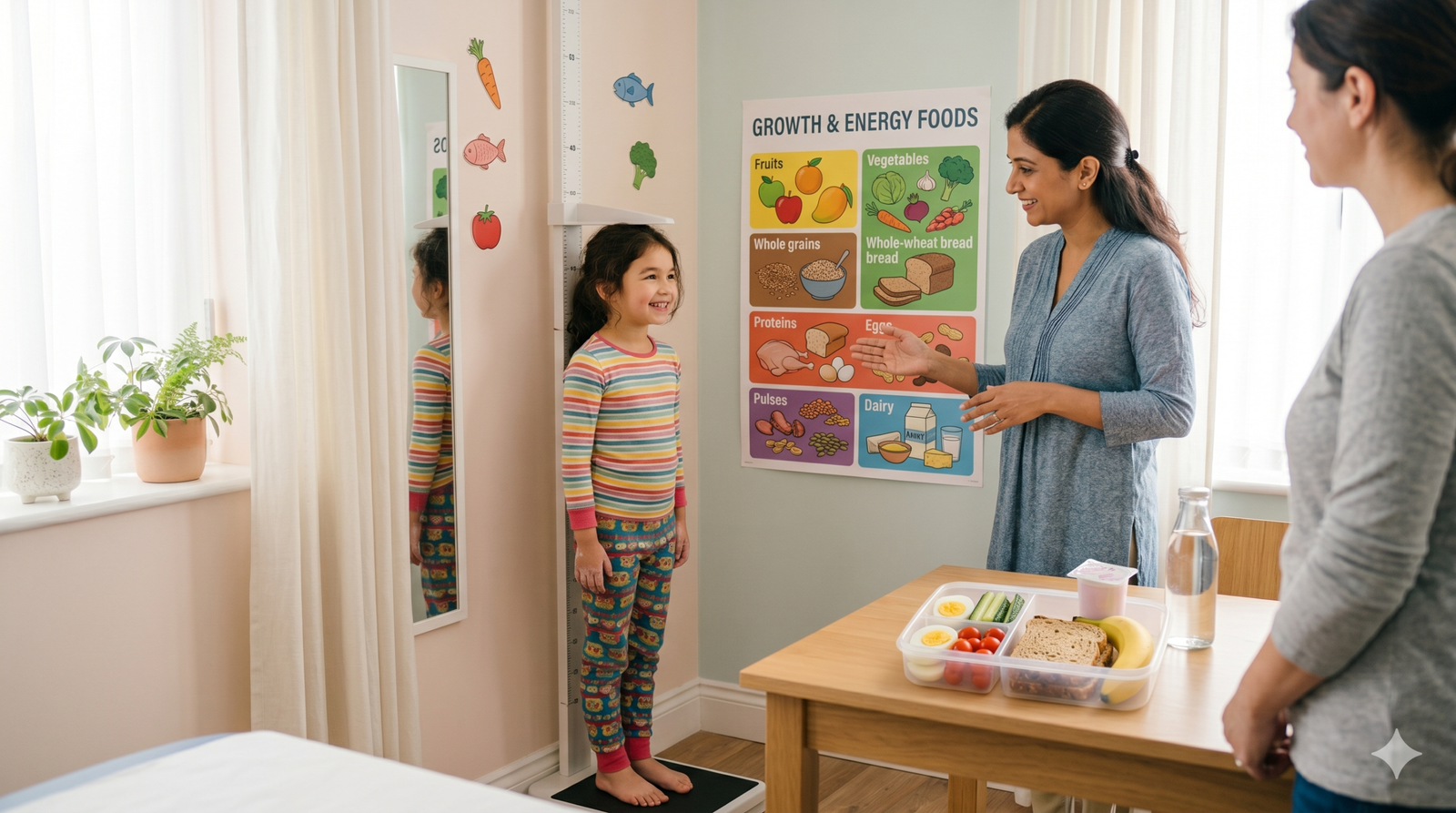
Best Foods for Kids Growth and Energy
Best foods for kids growth and energy are not only “healthy foods” in a general sense. Children need foods that support different parts of development: strong bones, steady energy, muscle growth, focus, digestion, active play, and daily comfort.
Parents often feel confused because children may ask for snacks, refuse vegetables, or eat different amounts from day to day. This is normal. The goal is not to create a perfect diet. The goal is to offer useful foods regularly so children can grow, learn, play, and feel energized.
A simple mix of protein foods, fruits, vegetables, whole grains, dairy or fortified alternatives, healthy fats, and water can support a child’s daily routine in a practical way.
Foods That Support Healthy Growth
Growth requires a steady supply of nutrients over time.
Children need foods that provide protein, calcium, vitamins, minerals, and energy.
Good growth-supporting foods include:
- Eggs
- Yogurt
- Milk
- Cheese
- Chicken
- Fish
- Beans
- Lentils
- Whole grains
- Fruits and vegetables
These foods do not need to be served all at once. A child’s overall eating pattern matters more than one single meal.
Foods for Morning Energy
Morning meals can affect how children feel at school, during play, and while learning.
Good breakfast foods include:
- Oatmeal with fruit
- Eggs with whole grain toast
- Yogurt with berries
- Whole grain cereal with milk
- Banana with peanut butter if suitable
- Smoothie with fruit and yogurt
Breakfast should ideally include protein, fiber, and fluids.
This helps children start the day with more stable energy.
Protein Foods for Strength
Protein supports muscles, growth, repair, and daily activity.
Good protein options include:
- Eggs
- Chicken
- Fish
- Beans
- Lentils
- Yogurt
- Cheese
- Tofu
- Nut butter if suitable
Protein can be included in breakfast, lunch, dinner, or snacks.
For example, eggs at breakfast, beans at lunch, and yogurt as a snack can all support daily nutrition.
Foods for Strong Bones
Children need nutrients that support bones and teeth as they grow.
Calcium-rich foods may include:
- Milk
- Yogurt
- Cheese
- Fortified plant-based milk
- Cottage cheese
- Calcium-fortified foods
Vitamin D also plays an important role in bone health, so parents may discuss needs with a healthcare professional if they have concerns.
Strong bones are supported by nutrition, active play, and healthy routines.
Foods for Focus and Learning
Children need steady energy to focus during school and homework.
Foods that may support concentration include:
- Whole grains
- Eggs
- Yogurt
- Fruits
- Beans
- Nuts or seeds if suitable
- Water
Sugary foods may give quick energy but often do not keep children satisfied for long.
Balanced meals and snacks help children avoid energy crashes.
Whole Grains for Steady Energy
Whole grains provide fiber and longer-lasting energy.
Good options include:
- Oatmeal
- Brown rice
- Whole wheat bread
- Whole grain pasta
- Whole grain crackers
- Whole grain cereal
Whole grains can be used in simple meals such as sandwiches, rice bowls, pasta, or breakfast cereal.
They are especially useful for children who need energy for school and play.
Fruits for Natural Sweetness
Fruits are easy to include in a child’s routine.
Good options include:
- Apples
- Bananas
- Oranges
- Grapes
- Berries
- Mangoes
- Melons
Fruits provide fiber, water, vitamins, and natural sweetness.
Keeping fruit visible at home can make children more likely to choose it.
Vegetables for Everyday Wellness
Vegetables support digestion, growth, and overall wellness.
Child-friendly options include:
- Carrots
- Cucumbers
- Peas
- Sweet potatoes
- Broccoli
- Spinach
- Bell peppers
Some children need time to accept vegetables.
Parents can add vegetables to soups, rice, eggs, pasta, wraps, sandwiches, or snack plates.
Budget-Friendly Growth Foods
Healthy food does not always have to be expensive.
Budget-friendly options include:
- Eggs
- Lentils
- Beans
- Oats
- Rice
- Seasonal fruits
- Frozen vegetables
- Yogurt
- Peanut butter if suitable
These foods can support growth and energy without making meals complicated or costly.
Simple meals can still be nourishing.
Smart School Lunch Foods
School lunches should be easy to eat and filling enough to support the day.
Good lunch ideas include:
- Egg sandwich with fruit
- Chicken wrap with cucumber slices
- Rice with beans and vegetables
- Yogurt with fruit and whole grain crackers
- Lentil soup with bread
- Cheese sandwich with carrot sticks
A balanced lunch can help children stay focused and active after school.
Foods for Active Kids
Children who run, play sports, dance, or spend time outdoors may need steady fuel.
Helpful foods include:
- Whole grains for energy
- Protein foods for strength
- Fruits for quick natural energy
- Yogurt or milk for calcium and protein
- Water for hydration
Active kids also need enough rest and fluids.
Food works best when it is part of a balanced routine.
Healthy Foods and Daily Eating Habits
The best foods for kids growth and energy work best when they are part of consistent eating habits.
If you want more guidance on creating balanced meals and routines, you can also read our guide on Healthy Eating Tips for Children.
Good food habits can help children build a healthier relationship with meals over time.
Foods to Keep Occasional
Some foods can be enjoyed sometimes but should not replace regular meals.
These include:
- Sugary drinks
- Candy
- Chips
- Fast food
- Sweet cereals
- Packaged desserts
- Highly processed snacks
The goal is not to make children afraid of treats.
The goal is to teach balance.
Simple Plate Ideas for Growth and Energy
Here are easy meal combinations:
Breakfast
- Oatmeal with banana and milk
- Eggs with toast and fruit
- Yogurt with berries and oats
Lunch
- Chicken sandwich with cucumber
- Rice with beans and vegetables
- Egg wrap with fruit
Dinner
- Fish with potatoes and vegetables
- Lentil stew with rice
- Chicken with pasta and salad
Snacks
- Apple slices
- Yogurt
- Cheese with crackers
- Smoothie
- Carrot sticks
These meals can be adjusted based on taste, culture, budget, and family routine.
Final Thoughts
Best foods for kids growth and energy are simple, balanced, and easy to include at home.
Eggs, yogurt, milk, fruits, vegetables, whole grains, chicken, fish, beans, lentils, healthy fats, and water can all support daily wellness.
Children do not need perfect meals every day.
They need regular access to nourishing foods, patient guidance, and a positive food environment.
With simple choices and consistency, parents can help children grow, stay active, focus better, and feel more energized.
FAQs
1. What are the best foods for kids growth and energy?
Eggs, yogurt, milk, fruits, vegetables, whole grains, beans, lentils, chicken, fish, and water are helpful foods for growth and daily energy.
2. What foods help children stay full longer?
Protein foods, whole grains, yogurt, beans, eggs, and healthy fats may help children feel satisfied for longer.
3. Are eggs good for children’s growth?
Yes. Eggs provide protein and nutrients that can support growth and energy.
4. What are budget-friendly foods for kids growth?
Eggs, lentils, beans, oats, rice, seasonal fruits, yogurt, and frozen vegetables can be affordable and nutritious options.
5. What foods are good before school?
Oatmeal, eggs, yogurt, fruit, whole grain toast, and milk can make simple breakfast options before school.
6. How can parents encourage children to eat more healthy foods?
Parents can keep healthy foods visible, offer small portions, avoid pressure, and include children in simple food preparation.
7. Should children avoid junk food completely?
No. Occasional treats can fit into a balanced lifestyle, but they should not replace regular meals.
8. What drink is best for kids daily?
Water is usually the best daily drink. Milk can also be useful depending on the child’s needs and tolerance.
Author Bio
About the Author
Sarah Mitchell is a family wellness writer who focuses on child nutrition, healthy eating habits, and practical routines for parents. She creates simple, realistic guides that help families make better food choices at home and school.
References
- USDA MyPlate – Healthy Eating for Kids
- HealthyChildren.org – Child Nutrition
- Academy of Nutrition and Dietetics – Kids Nutrition
- Nemours KidsHealth – Nutrition and Fitness
- NHS Healthier Families – Healthy Food Ideas
Disclaimer
Nutrition Disclaimer
This article is for educational purposes only and should not be considered medical or nutritional advice. Parents and caregivers should consult a qualified healthcare professional or registered dietitian for concerns about a child’s growth, allergies, food intake, digestion, nutrition needs, or health conditions.





Leave feedback about this