

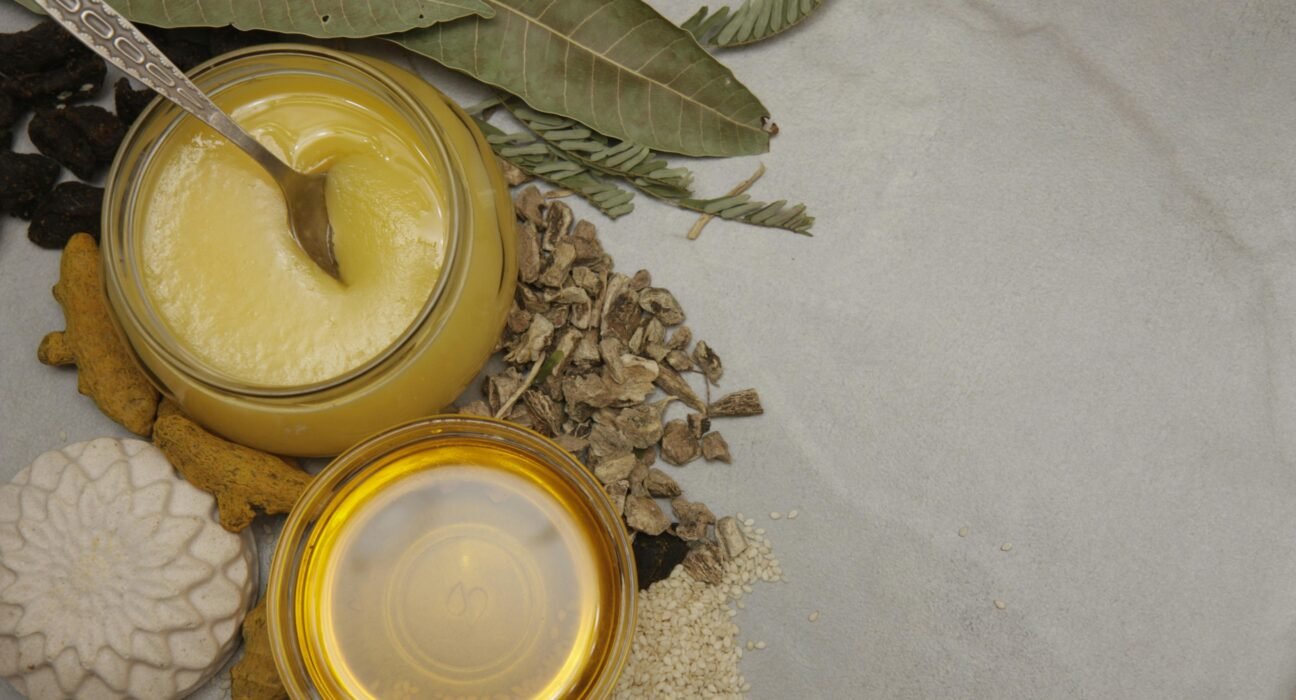
Ayurveda for Healthy Living: Natural Ways to Improve Health and Lifestyle
Ayurveda for healthy living is about creating balance through simple daily habits, mindful eating, better sleep, gentle movement, and natural self-care. It is not only about herbs or home remedies. Ayurveda looks at the full lifestyle and asks a simple question: what helps the body stay balanced every day?
Modern life can easily disturb this balance. Late nights, processed food, stress, skipped meals, too much screen time, and poor digestion can slowly affect energy, mood, immunity, and overall wellness. Ayurveda encourages people to return to basic habits that support the body instead of overloading it.
This guide explains Ayurveda in a simple and practical way so you can use its lifestyle ideas safely in everyday life.
Understanding Ayurveda Beyond Home Remedies
Ayurveda is a traditional wellness system that focuses on balance between body, mind, and daily routine. It does not only look at symptoms. It also looks at food habits, sleep patterns, digestion, stress, movement, and seasonal changes.
The main idea is that health improves when daily habits support the body’s natural rhythm. This is why Ayurveda gives importance to fresh food, regular sleep, warm drinks, gentle exercise, breathing practices, and emotional calm.
The Three Doshas in Simple Words
Ayurveda explains body balance through three doshas: Vata, Pitta, and Kapha. These are traditional concepts used to understand body tendencies and lifestyle needs.
- Vata: linked with movement, dryness, restlessness, and irregular routines.
- Pitta: linked with heat, digestion, intensity, and sharp focus.
- Kapha: linked with stability, heaviness, calmness, and structure.
Everyone may have a different natural pattern. Ayurveda suggests that when lifestyle habits disturb this balance, people may feel tired, bloated, irritated, sluggish, or mentally unsettled.
Daily Habits That Support Ayurvedic Living
Ayurveda for healthy living works best when habits are simple and repeatable. You do not need to change your whole life in one day. Start with small daily practices.
- Wake up at a regular time.
- Drink warm water in the morning.
- Eat meals at consistent times.
- Choose fresh and seasonal foods.
- Take short walks after meals.
- Sleep earlier instead of scrolling late at night.
These habits may look basic, but they help the body feel more organized and supported.
Food Choices in an Ayurvedic Lifestyle
Food is an important part of Ayurveda. The focus is not only on what you eat, but also how you eat. Ayurveda encourages warm, fresh, cooked meals because they are usually easier to digest than cold, processed, or packaged foods.
Simple choices can include lentils, rice, vegetables, soups, seasonal fruits, herbal teas, nuts, seeds, and light spices such as ginger, turmeric, cumin, and fennel.
Eating slowly also matters. When you eat while rushing, scrolling, or working, digestion may feel heavier. A calm meal gives the body time to process food better.
Why Digestion Gets So Much Attention
Ayurveda gives strong importance to digestion. In traditional terms, digestive strength is often called “Agni.” When digestion feels balanced, food is processed more comfortably and energy feels steadier.
Some simple digestion-friendly habits include drinking warm water, avoiding very heavy meals late at night, walking after dinner, and using gentle spices like ginger or fennel.
Cold sugary drinks with meals may make some people feel bloated or heavy. A warm drink or plain water in moderate amounts can feel more comfortable for digestion.
Morning Rituals for Better Energy
A calm morning can shape the whole day. Ayurveda encourages a steady morning routine because it helps the body wake up gently instead of rushing into stress.
A simple routine may include drinking warm water, stretching for a few minutes, stepping into natural light, and eating a nourishing breakfast. If your mornings often feel low and rushed, this guide on best morning routine for energy can help you build a cleaner start to the day.
Herbs and Natural Support
Ayurveda uses many herbs, but they should be used with care. Common kitchen herbs like ginger, turmeric, tulsi, fennel, and cumin are often used in traditional routines.
Ginger may support digestion, turmeric is known for its traditional use in wellness routines, tulsi is commonly used in herbal drinks, and fennel is often taken after meals for digestive comfort.
For seasonal wellness, you can also read this guide on best herbal immunity booster.
Stress, Sleep, and Mind-Body Balance
Ayurveda does not separate the mind from the body. Stress can affect digestion, sleep, appetite, and energy. Poor sleep can also make the body feel heavy, slow, and emotionally unsettled.
Simple calming practices can help. Sit quietly for five minutes, breathe slowly, stretch gently, or spend a little time outside. These small habits can relax the nervous system and support a better daily rhythm.
Sleep is especially important. A regular bedtime, less screen use at night, and a calm room can support recovery and mental clarity.
Simple Ayurvedic Practices for Modern Life
You do not need to follow a difficult routine to benefit from Ayurvedic thinking. Modern life is busy, so the best approach is to choose practical habits that fit your schedule.
- Choose warm home-cooked meals more often.
- Use gentle spices instead of heavy sauces.
- Take a short walk after eating.
- Keep your sleep and meal timings consistent.
- Practice slow breathing when stress rises.
- Reduce packaged snacks and sugary drinks.
These small choices can support digestion, energy, mood, and long-term wellness.
What to Remember
Ayurveda for healthy living is not about extreme rules. It is about balance, routine, fresh food, mindful eating, better sleep, gentle movement, and natural self-care.
Start with one or two habits. Drink warm water in the morning, eat meals on time, sleep earlier, or take a short walk after dinner. Small steps done daily can support better health more than complicated routines that you cannot continue.
FAQs
1. What is Ayurveda for healthy living?
Ayurveda for healthy living is a lifestyle approach that focuses on balance through food, sleep, digestion, movement, herbs, stress control, and daily routine.
2. Can Ayurveda improve digestion?
Ayurvedic habits such as warm meals, mindful eating, gentle spices, warm water, and regular meal timing may support better digestive comfort.
3. Is Ayurveda only about herbs?
No. Herbs are one part of Ayurveda, but the system also includes daily routine, sleep, food choices, movement, breathing, and mental balance.
4. Can I follow Ayurveda with a busy lifestyle?
Yes. Simple habits like drinking warm water, eating on time, walking after meals, and sleeping earlier can fit into a modern routine.
5. Are Ayurvedic herbs safe for everyone?
Not always. Some herbs may interact with medicines or may not be suitable for certain health conditions. It is best to consult a qualified healthcare professional before using herbs regularly.
Author Bio
Pure Fit Day Natural Wellness Team creates practical wellness content focused on healthy routines, natural living, nutrition, fitness, preventive habits, and simple lifestyle changes that support long-term well-being.
References
- National Center for Complementary and Integrative Health — Ayurvedic Medicine
- Banyan Botanicals — Ayurvedic Living
- Kerala Ayurveda — Ayurveda Lifestyle Articles
- Art of Living — Ayurveda Basics
- Healthline — Ayurveda Overview
Disclaimer
This article is for general wellness education only. It is not medical advice, diagnosis, or treatment. Ayurvedic herbs and practices may not be suitable for everyone, especially people with chronic illness, pregnancy, allergies, liver or kidney conditions, or those taking medication. Always consult a qualified healthcare professional before making major changes to your diet, herbs, or wellness routine.