


Child Wellness Tips for Happy Growth
Child wellness tips are not only about food, sleep, or exercise. True child wellness means supporting a child’s body, mind, emotions, confidence, learning, and daily habits together. A child may be growing physically, but healthy growth also includes feeling safe, loved, active, curious, and emotionally supported.
Every family has a different routine, and no parent needs to create a perfect lifestyle. Small daily choices can shape how children eat, sleep, play, learn, communicate, and care for themselves.
The purpose of child wellness is simple: help children grow in a balanced, happy, and healthy way.
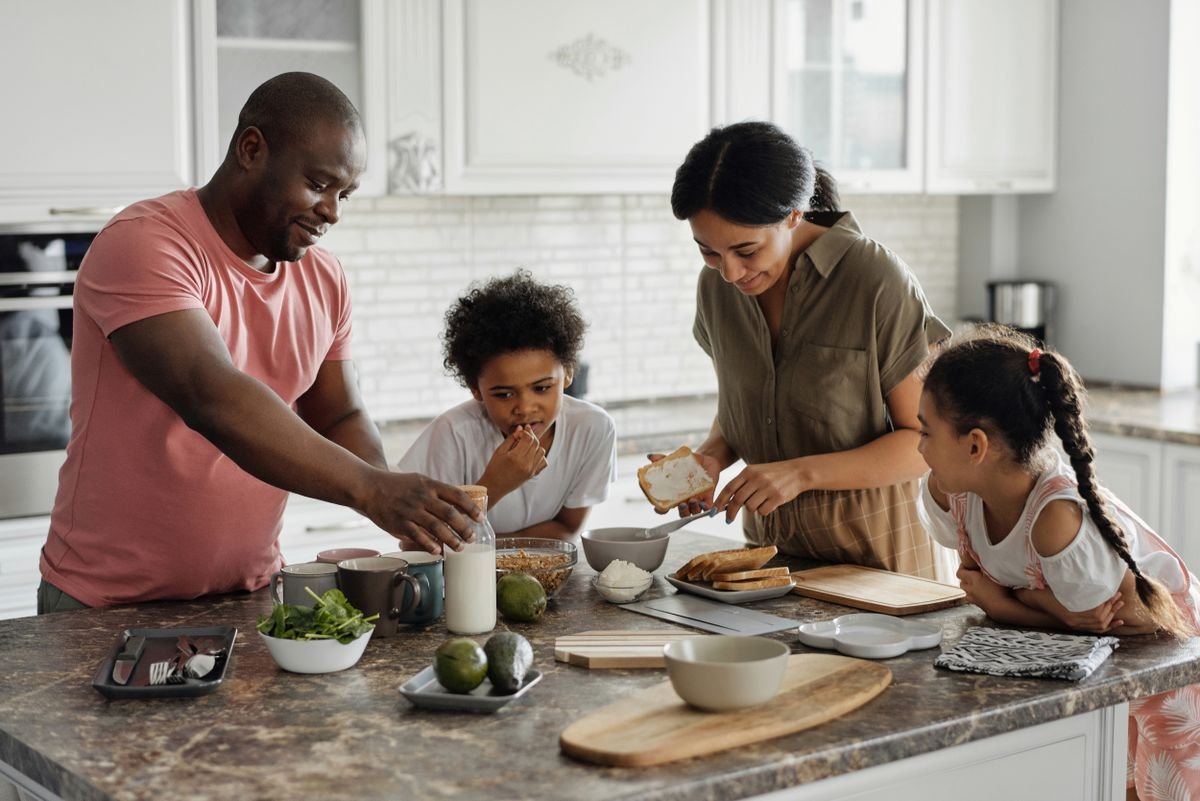
What Does Child Wellness Really Mean?
Child wellness is the complete care of a child’s overall well-being.
It includes:
- Physical health
- Emotional comfort
- Healthy eating
- Quality sleep
- Hygiene habits
- Learning and curiosity
- Social confidence
- Family connection
A child’s wellness is not built in one day. It develops through repeated habits, positive guidance, and supportive daily routines.
The 7 Pillars of Healthy Growth
A strong child wellness routine can be understood through seven simple pillars.
These pillars work together to support happy growth.
1. Nutrition for Growth
Children need balanced meals to support energy, learning, and development.
Healthy meals may include:
- Fruits
- Vegetables
- Whole grains
- Protein foods
- Dairy or fortified alternatives
- Water
The goal is not to make every meal perfect. The goal is to offer nourishing foods regularly and help children enjoy healthy choices.
2. Sleep for Recovery
Sleep supports growth, learning, mood, and energy.
A healthy sleep routine may include:
- Regular bedtime
- Calm evening habits
- Less screen time before sleep
- Comfortable bedroom
- Quiet bedtime activities
Children often feel better during the day when sleep is consistent.
3. Movement for Strength
Children naturally need movement.
Running, jumping, dancing, cycling, outdoor play, and family walks can all support physical development.
Daily movement may help children build:
- Strength
- Balance
- Coordination
- Confidence
- Energy
Movement should feel like play, not pressure.
4. Hygiene for Daily Care
Good hygiene helps children learn responsibility and personal care.
Important habits include:
- Washing hands
- Brushing teeth
- Bathing regularly
- Wearing clean clothes
- Keeping nails clean
- Covering coughs and sneezes
These habits become easier when they are part of a predictable routine.
5. Emotional Wellness
Children need emotional support as much as physical care.
Parents can support emotional wellness by:
- Listening patiently
- Naming feelings
- Praising effort
- Spending quality time
- Creating a calm home environment
- Encouraging open communication
A child who feels heard often feels safer, calmer, and more confident.
6. Learning and Curiosity
Child wellness also includes mental development.
Children learn through:
- Reading
- Asking questions
- Storytelling
- Creative play
- Drawing
- Problem-solving games
- Conversations with adults
Learning should feel encouraging and age-appropriate.
7. Social Confidence
Children develop social skills through family, friends, school, and play.
Parents can guide children to practice:
- Sharing
- Kindness
- Respect
- Teamwork
- Apologizing
- Listening
- Taking turns
These skills help children build healthy relationships.
Healthy Family Environment
A child’s environment plays a major role in wellness.
Children often feel more secure when home routines are predictable and calm.
A healthy family environment may include:
- Regular meal times
- Clear bedtime routines
- Screen-free family moments
- Encouraging conversations
- Safe play areas
- Positive discipline
- Time outdoors when possible
Family habits can shape a child’s lifestyle more than instructions alone.
Building Lifelong Habits Early
The habits children learn early can follow them into later life.
For example, a child who learns to drink water, enjoy active play, wash hands, sleep on time, and eat balanced meals may continue these habits as they grow older.
Parents do not need to teach everything at once.
Start with one or two habits, repeat them daily, and slowly build from there.
Daily Wellness Checklist for Parents
Here is a simple checklist parents can use:
Morning
- Did the child drink water?
- Did the child eat breakfast?
- Did the child brush teeth?
- Is the school bag ready?
Afternoon
- Did the child eat a balanced meal?
- Did the child move or play actively?
- Did the child take a screen break?
- Did the child have time to relax?
Evening
- Did the child eat dinner calmly?
- Was screen time reduced before bed?
- Did the child wash up or brush teeth?
- Was there a calm bedtime routine?
This checklist is not about pressure. It is only a simple guide.
Child Wellness and Immunity
Healthy growth is closely connected with daily wellness habits.
If you want more guidance on supporting natural wellness through food, sleep, hygiene, and daily routines, read our guide on immunity-boosting habits for kids.
Good routines can support both child wellness and overall health.
What Parents Should Avoid
Some habits may make child wellness harder.
Parents may want to avoid:
- Using food as punishment or reward
- Allowing screens too close to bedtime
- Skipping sleep routines often
- Ignoring emotional stress
- Comparing children too much
- Overloading schedules
- Making wellness feel strict or stressful
Children respond better when healthy habits feel normal and positive.
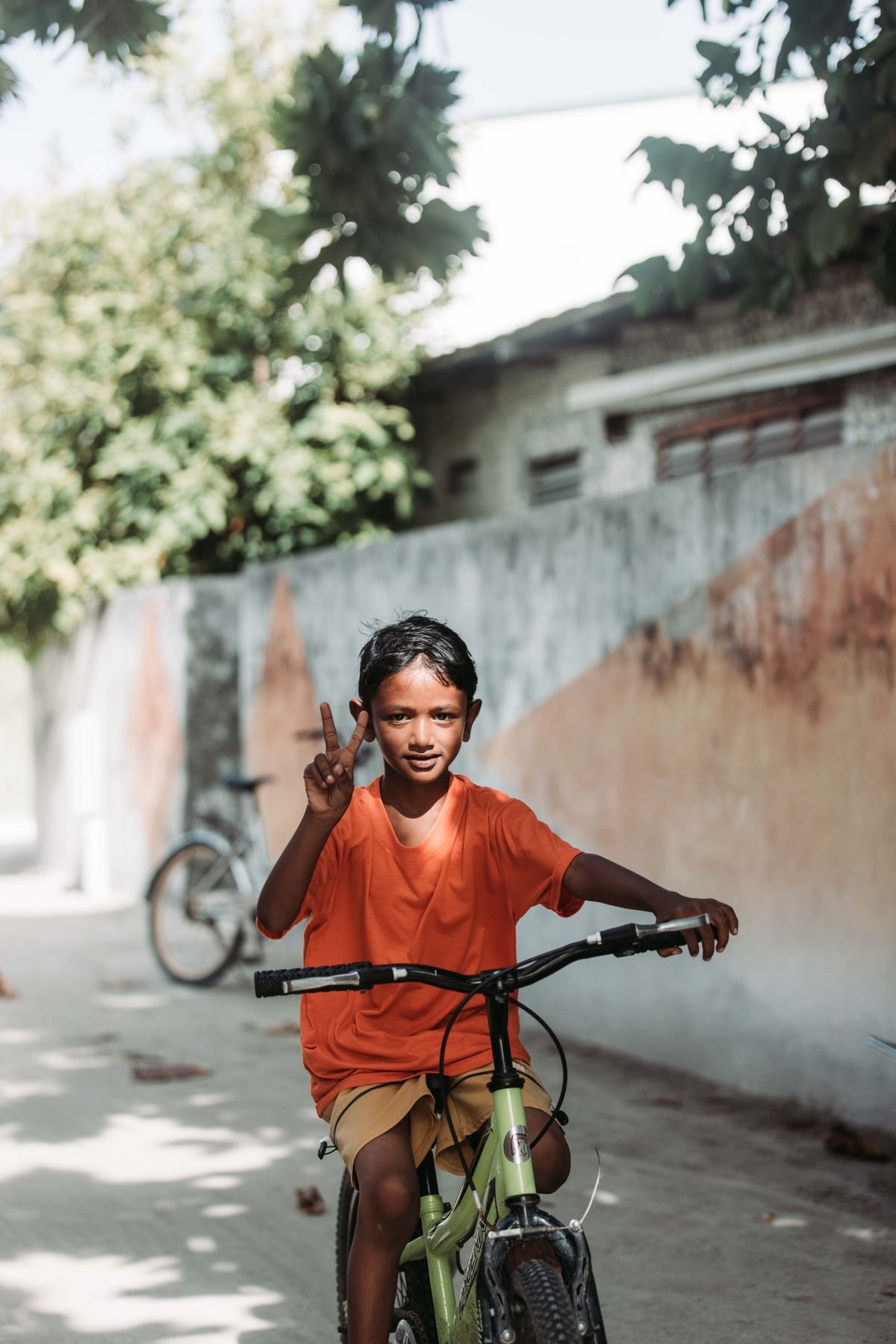
What a Well Day Actually Looks Like at Home
Wellness sounds abstract until you watch it happen on a normal Tuesday. Take Maya, who is seven. She wakes at 6:45, eats scrambled eggs and whole-grain toast, and walks to the bus stop with her dad — ten minutes of movement before the school day even starts.
At school there is recess, a water bottle she refills at lunch, and a turkey sandwich with apple slices. Nothing special. That is the point.
After school she gets thirty minutes outside before homework, usually on her bike or kicking a ball against the garage door. Dinner is at the table, screens off, and she helps carry plates to the sink.
The evening winds down the same way most nights: bath, pajamas, one chapter of a book, lights out around 8:00.
No single part of that day is impressive. Stacked together, though, those small pieces cover almost every pillar in this article — food, sleep, movement, hygiene, calm, and time with family. Child wellness is rarely one big decision. It is the same ordinary day, repeated kindly.
For the at-home routines that hold these pillars together day to day, see our guide to healthy habits for kids at home.
The nutrition pillar goes deeper in our healthy eating tips for children, which covers the plate method and picky eaters.
If sleep is the pillar that keeps wobbling, our sleep tips for children and a better routine walk through a bedtime blueprint that works.
Final Thoughts
Child wellness tips are most effective when they fit naturally into everyday family life.
Healthy growth is supported by nutrition, sleep, movement, hygiene, emotional care, learning, and social confidence.
When parents focus on small daily habits, children can grow with better confidence, comfort, energy, and happiness.
Happy growth begins with simple routines repeated with love and patience.
FAQs
1. What are the main areas of child wellness?
Child wellness includes physical health, nutrition, sleep, hygiene, emotional well-being, learning, social development, and family relationships.
2. How can parents improve child wellness at home?
Parents can improve child wellness by building simple routines around meals, sleep, activity, hygiene, emotional support, and learning.
3. Is emotional wellness part of child health?
Yes. Emotional wellness helps children feel safe, confident, understood, and better able to manage daily challenges.
4. What is the best daily habit for children?
There is no single best habit. Balanced meals, good sleep, movement, hygiene, and emotional support all work together.
5. How can parents help children build confidence?
Parents can praise effort, listen patiently, encourage independence, and allow children to try again after mistakes.
6. Why are routines important for children?
Routines help children feel secure, organized, and more comfortable with daily expectations.
7. Can small habits really support healthy growth?
Yes. Small habits repeated daily can support long-term wellness and development.
8. How do screen habits affect child wellness?
Too much screen time may affect sleep, movement, focus, and family interaction, so balance is important.
9. How much sleep does a school-age child actually need?
Most children aged 6 to 12 need 9 to 12 hours a night, according to the American Academy of Pediatrics. A child who needs waking every morning and falls asleep in the car is probably not getting enough, whatever the clock says.
10. Does my child need a daily multivitamin?
Most healthy children who eat a reasonably varied diet do not. A supplement cannot make up for skipped meals or very restricted eating, so food comes first. If your child eats almost no foods from a whole group, ask the pediatrician before buying anything.
11. How can I tell if my child is getting enough activity?
Children aged 6 and older need about 60 minutes of movement a day, and it does not have to be organized sports. Walking to school, recess, bike rides, and rough-and-tumble play all count toward it.
12. When should I talk to a doctor about my child’s growth?
Mention it at any regular checkup if your child has dropped off their usual growth curve, seems unusually tired, or has lost interest in food or play. Sudden changes matter more than slow, steady growth along their own line.
Author Bio
About the Author
PureFitDay Editorial Team creates practical health, wellness, and nutrition content for readers who want simple guidance for healthier living.
References
- HealthyChildren.org – Child Development and Family Health
- UNICEF Parenting – Child Wellbeing
- Nemours KidsHealth – Growth and Development
- ZERO TO THREE – Early Childhood Development
- NHS Start for Life – Child Development and Healthy Routines
- MedlinePlus — Child Development
- HealthyChildren.org (American Academy of Pediatrics) — Emotional Wellness
Disclaimer
Child Development Disclaimer
This guide shares general child wellness information for parents. It is not a substitute for your pediatrician’s advice about your own child. If something about your child’s growth, sleep, eating, or mood worries you, raise it at the next checkup — or sooner if it is getting worse.



5 Comments