Fun Physical Activities for Kids at Home
Fun physical activities for kids are not only about exercise. They are also a way for children to learn balance, coordination, confidence, teamwork, and creativity. Kids naturally enjoy running, jumping, dancing, climbing, and exploring, but modern routines can sometimes make them sit for too long.
The good news is that children do not need a gym, sports club, or expensive equipment to stay active. Many healthy movement ideas can be done at home, in a small room, balcony, yard, hallway, or living area.
The goal is simple: make movement feel like play.
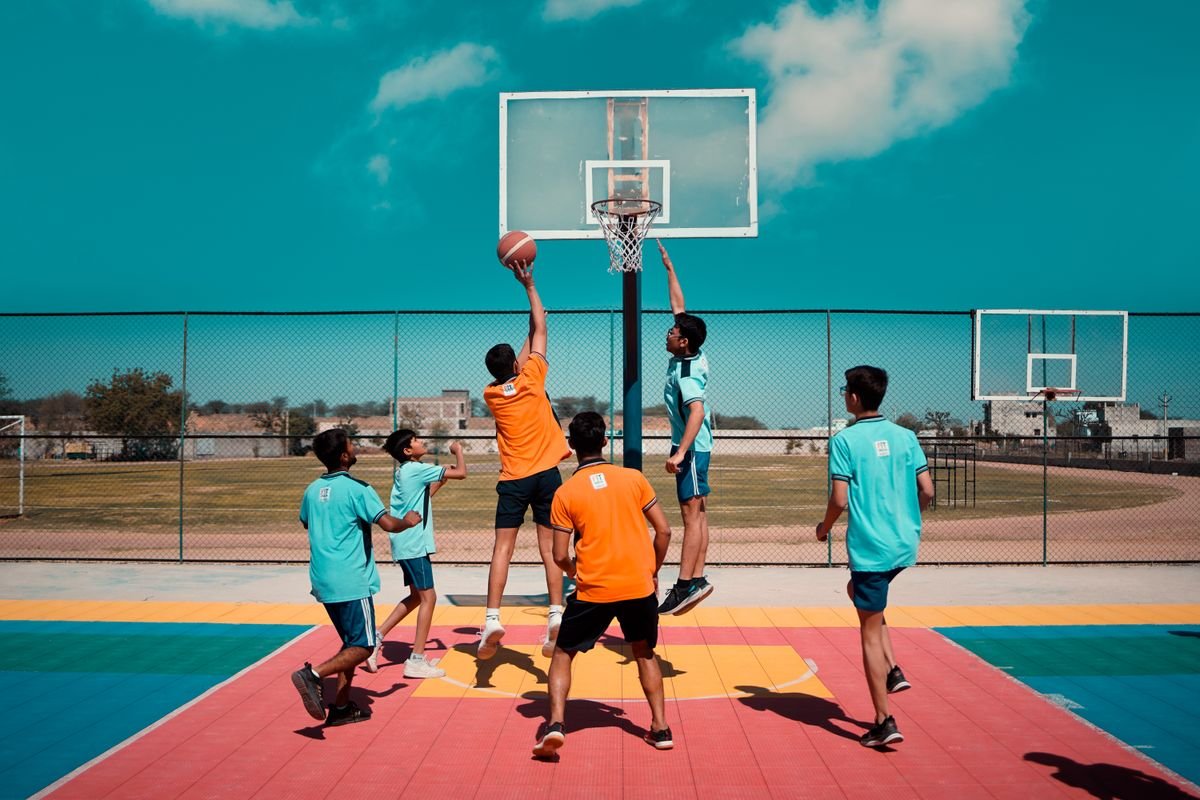
Why Kids Learn Through Movement
Children learn a lot through physical activity. When they jump, balance, throw, crawl, or dance, they are not only using energy. They are also building body control, confidence, and problem-solving skills.
Active play may support:
- Better coordination
- Stronger muscles
- Healthy growth
- Improved balance
- Better mood
- More confidence
- Better sleep
- Reduced screen dependence
For children, movement should feel enjoyable, not like a strict workout.
Indoor Activities for Busy Days
Indoor play is useful when the weather is bad or outdoor space is limited.
Simple indoor activities include:
- Dancing to music
- Balloon volleyball
- Pillow obstacle course
- Animal walks
- Follow-the-leader
- Stretching games
- Indoor treasure hunt
These activities can help kids stay active without needing much space.
Outdoor Activities for Fresh Air
Outdoor play gives children more room to move freely.
Good outdoor activity ideas include:
- Running races
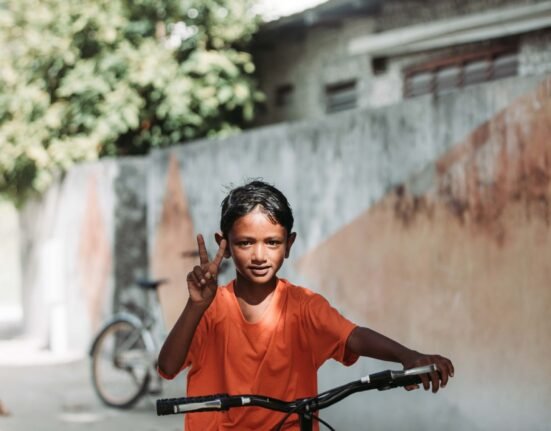
- Cycling
- Skipping rope
- Ball games
- Park walks
- Tag games
- Nature walks
Outdoor movement can help children release energy and enjoy fresh air.
Movement Games by Age Group
Different ages enjoy different types of movement.
Younger Kids
Younger children may enjoy:
- Bunny hops
- Frog jumps
- Crawling games
- Balloon play
- Simple dancing
School-Age Kids
School-age children may enjoy:
- Obstacle courses
- Ball games
- Jumping challenges
- Treasure hunts
- Balance games
Older Kids
Older children may enjoy:
- Cycling
- Sports drills
- Dance routines
- Fitness challenges
- Family walks
Choosing age-appropriate activities keeps play safe and enjoyable.
Rainy Day Activity Ideas
Rainy days do not have to mean sitting all day.
Try these ideas:
- Indoor bowling with plastic bottles
- Dance freeze game
- Tape-line balance walk
- Cushion stepping path
- Soft ball toss
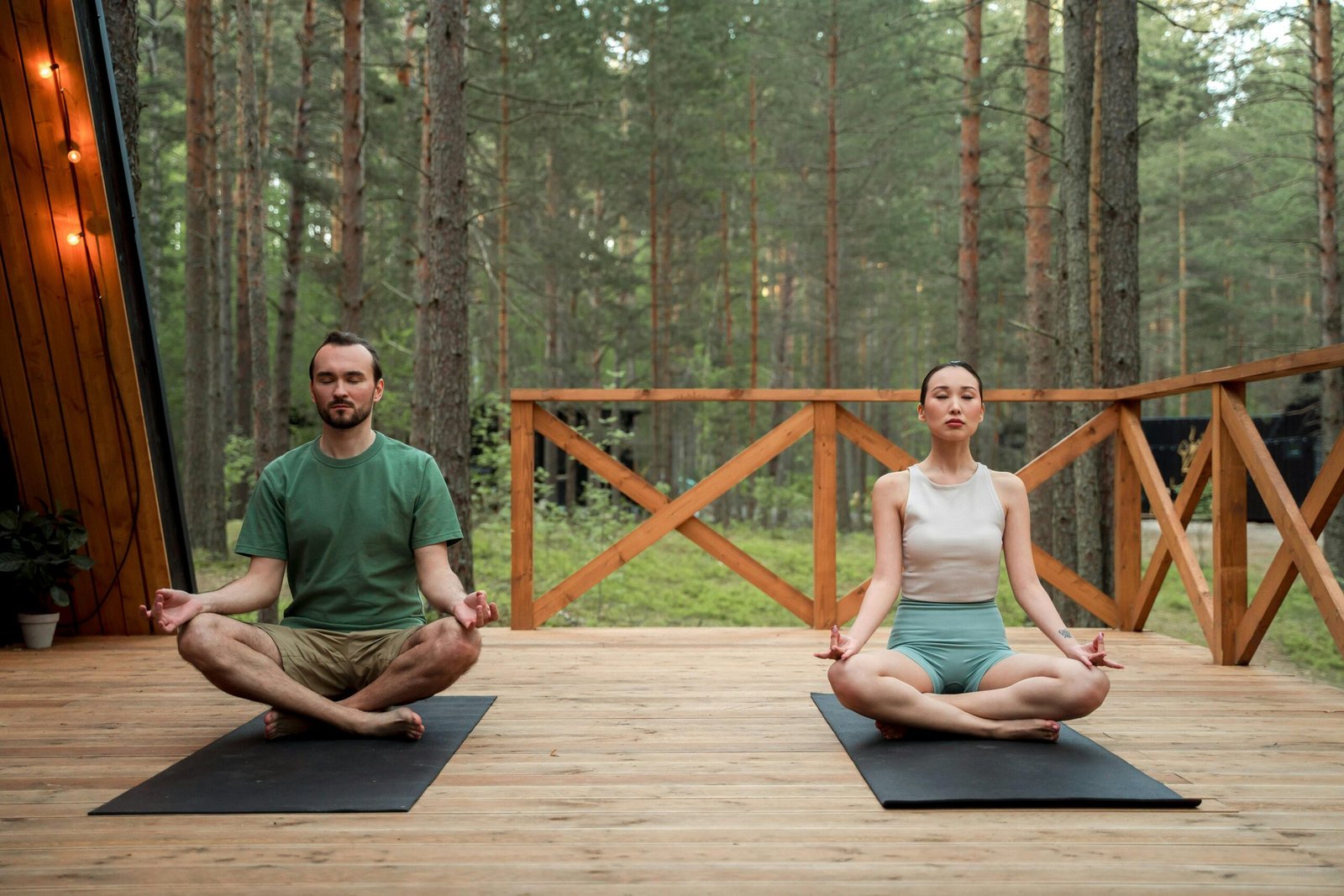
- Yoga-style stretching
These activities keep children moving even when they cannot go outside.
Family Activity Challenges
Children often enjoy movement more when parents join them.
Family challenges may include:
- 10-minute dance challenge
- Who can balance longest?
- Indoor step-count game
- Weekend walking challenge
- Clean-up race
- Balloon keep-up challenge
These games create bonding while supporting physical activity.
Turning Chores into Active Play
Household chores can become movement-based activities.
Kids can:
- Pick up toys quickly
- Carry light laundry
- Water plants
- Organize books
- Wipe tables
- Help arrange cushions
This teaches responsibility while keeping the body active.
Screen Break Movement Ideas
If children use screens, movement breaks can help create balance.
After 30 to 45 minutes of screen time, kids can:
- Stretch for two minutes
- Do 10 jumping jacks
- Walk around the room
- Dance to one song
- Do animal walks
- Drink water
If you want more guidance on building better bedtime and daily routines, you can also read our guide on Sleep Tips for Children and Better Routine.
Movement, sleep, and healthy routines work together to support child wellness.
Weekend Activity Bucket List
Parents can keep a simple weekend activity list.
Ideas include:
- Visit a park
- Go for a family walk
- Play catch
- Try a new dance routine
- Build an obstacle course
- Have a backyard picnic
- Ride bicycles
- Do a nature scavenger hunt
This makes activity feel exciting instead of repetitive.
Safety Tips for Active Play
Safety matters, especially at home.
Parents should:
- Clear sharp objects
- Use soft surfaces when possible
- Supervise younger children
- Avoid slippery floors
- Keep water nearby
- Choose age-appropriate games
- Allow rest breaks
Safe movement helps children stay confident and comfortable.
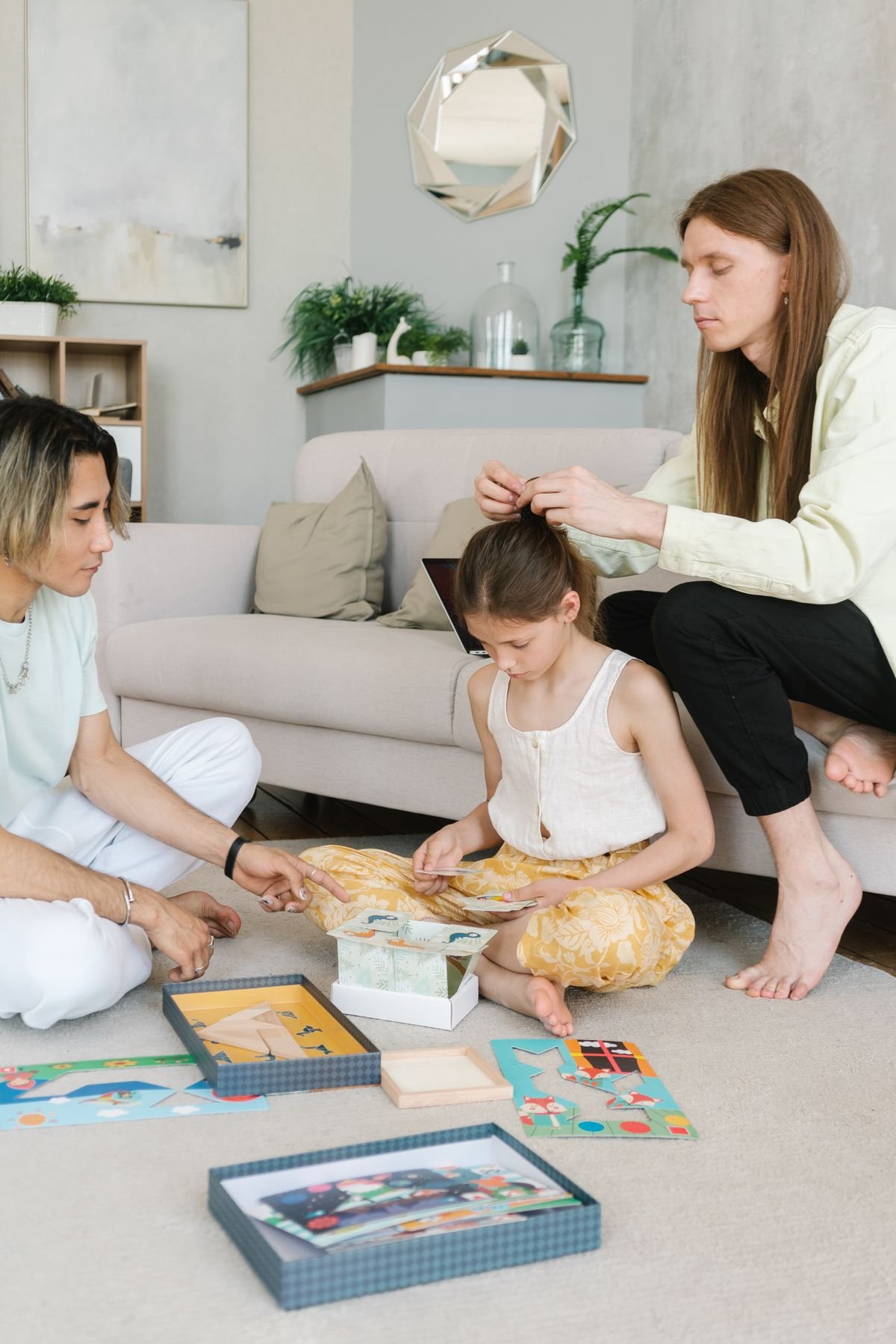
A Rainy Saturday, Handled
It is 10 a.m., raining hard, and two kids in a small apartment have already asked for a tablet twice. This is the moment a movement plan earns its keep.
First, the couch cushions come off and become an obstacle course: jump the river, crawl under the table, balance along a line of painter’s tape on the floor. Ten minutes, lots of noise, zero cost.
Next, balloon volleyball over a string tied between two chairs. A balloon moves slowly enough that a four-year-old can actually compete with her older brother, which keeps both of them playing longer.
While lunch cooks, there is a dance break — three songs, everyone on their feet, including whoever is stirring the pasta.
After lunch the energy is spent, and the cardboard box from Friday’s delivery becomes a fort, then a race car, then a reading nook.
The day was not screen-free, and it did not need to be. It just had movement built into the gaps, which is where most home activity really happens.
Movement is one of the seven pillars in our child wellness tips for happy growth, which show how active play fits into the whole day.
Daily movement is also one of the core immunity boosting habits for kids, alongside sleep, food, and hand washing.
To turn one-off games into a routine, pair these ideas with our healthy habits for kids at home.
Final Thoughts
Fun physical activities for kids can make daily movement enjoyable and natural. Children do not need formal workouts to stay active. Dancing, walking, jumping, obstacle courses, balloon games, outdoor play, and family challenges can all support healthy growth.
The best activity is the one children enjoy enough to repeat.
With simple ideas and a little creativity, parents can help kids build active habits that support energy, confidence, sleep, and overall wellness.
FAQs
1. What are fun physical activities for kids at home?
Fun physical activities for kids include dancing, obstacle courses, balloon games, jumping challenges, treasure hunts, and active family games.
2. Can children stay active without outdoor space?
Yes. Indoor activities such as dancing, stretching, balloon play, and obstacle courses can keep children active.
3. How can parents make exercise fun for kids?
Parents can turn movement into games, join activities, use music, and create simple challenges.
4. Are chores a good way to keep kids active?
Light chores can help children move more while also learning responsibility.
5. What are good rainy day activities for kids?
Indoor bowling, dance games, tape-line walks, soft ball toss, and cushion obstacle courses work well on rainy days.
6. How can kids take active screen breaks?
Kids can stretch, walk, dance, jump, or do simple movement games between screen sessions.
7. Should physical activity be structured?
Not always. Free play, family walks, and movement games can be just as useful for children.
8. What is the safest way to start active play at home?
Clear the play area, use soft objects, supervise children, and choose activities suitable for their age.
9. How much active play do kids need each day?
Children aged 6 and older need about 60 minutes of moderate-to-vigorous activity a day, and younger children need even more spread across the day. It does not have to happen in one block — three lively 20-minute bursts count just the same.
10. What if my child only wants to play video games?
Start with games that get them off the couch — dance games, motion-controlled sports, and scavenger-hunt apps all count as real movement. Then trade screen time for active time in small steps rather than banning games outright, which usually just makes them more appealing.
11. How can apartment families keep active play quiet enough for the neighbors?
Swap jumping for low-impact challenges: balance contests, wall sits, crawling races, balloon games, and slow-motion “ninja” obstacle courses. Playing on rugs or a foam mat, and keeping the loudest games to daytime hours, keeps downstairs neighbors on your side.
12. Does active play really help kids sleep and focus?
Yes — children who move a lot during the day generally fall asleep faster and concentrate better at school. Just wind down the wildest games an hour or so before bed, so bedtime does not have to compete with a racing heart.
Author Bio
About the Author
PureFitDay Editorial Team creates practical health, wellness, and nutrition content for readers who want simple guidance for healthier living.
References
- Active Kids – Children’s Physical Activity Ideas
- HealthyChildren.org – Physical Activity for Children
- NHS Healthier Families – Activities for Kids
- Nemours KidsHealth – Fitness and Exercise for Kids
- Action for Healthy Kids – Active Play Resources
- MedlinePlus — Exercise for Children
- HealthyChildren.org (American Academy of Pediatrics) — Fitness
Disclaimer
Activity Disclaimer
These ideas are general activity inspiration for families, not a fitness program designed for any one child. Parents and caregivers should choose activities based on a child’s age, health, ability, and safety needs. If your child has an injury, a heart or breathing condition, or limits on movement, check with their doctor before trying the more energetic games here.