


Simple Self-Care Routine for a Healthier and Happier Life
Self-care is one of those things people talk about a lot, but many people still make it too complicated.
Some days, self-care is not a spa day or a long routine. It is just drinking water before your headache starts. It is eating something proper instead of running on tea or coffee. It is sleeping a little earlier because your body is clearly tired.
I think most people know they need self-care. The problem is they wait until they are exhausted. They keep pushing through work, studies, family responsibilities, messages, and daily stress. Then one day they feel completely drained and wonder why.
That is why a simple routine matters. Not a perfect one. Just something realistic enough to follow on normal days.

Self-Care Is Not Selfish
One thing people often misunderstand is the idea that self-care is selfish.
It is not.
Taking care of yourself does not mean ignoring other people. It means making sure you have enough energy, patience, and mental space to live your life properly.
Think about a phone battery. If you keep using it without charging, it eventually turns off. People are not machines, but the idea is similar. If you keep giving your energy away without resting, eating properly, or caring for your mind, you will eventually feel exhausted.
It does not need to be perfect. It only needs to be consistent enough to support you.
Start Your Morning Slowly
The way you start your morning can affect the rest of your day.
Many people wake up and immediately grab their phone. Messages, social media, emails, news, and notifications start filling the mind before the day has even begun. It may feel normal, but it can make the morning feel rushed and noisy.
A better approach is to give yourself a few quiet minutes first.
You can sit up, stretch a little, drink water, breathe deeply, or simply stay still for a moment before checking your phone. This small pause helps you begin the day with a calmer mind.
A slow morning does not have to mean a long one.
Even five minutes can help.
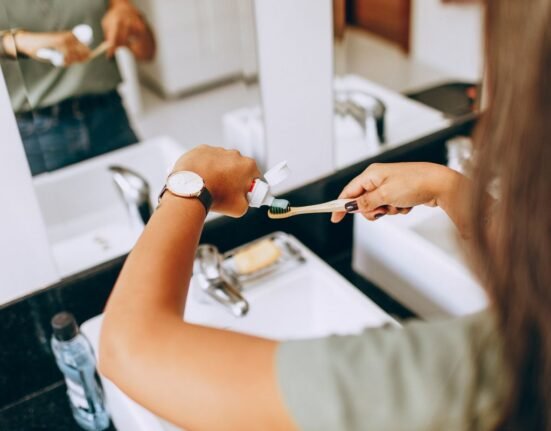
A simple morning self-care routine may include washing your face, brushing your teeth, drinking water, opening a window, stretching, and thinking about what matters most for the day.
Small start. Better mood.
Take Care of Your Body First
Self-care begins with the body.
If your body feels tired, heavy, dehydrated, or uncomfortable, it becomes harder to focus on anything else. That is why basic physical care is important.
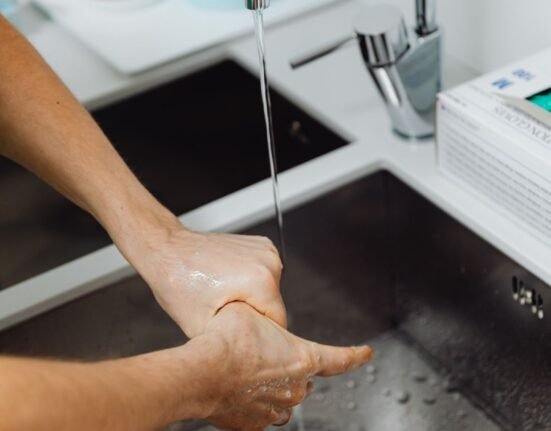
Eat proper meals. Drink enough water. Move your body. Get enough sleep. Keep your hygiene routine clean and simple.
These habits sound basic because they are basic. But they are also the first things people ignore when life gets busy.
A person may buy expensive wellness products but still sleep poorly, skip meals, and drink very little water. That is not real self-care.
Real self-care starts with daily basics.
Sleep Is a Big Part of Self-Care
Sleep affects almost everything.
Your mood, energy, focus, patience, appetite, and stress level can all change when you are not sleeping well.
Most people know sleep is important, but they still treat it like something optional. They stay up late watching videos, working, chatting, or scrolling endlessly. Then the next day feels slow and heavy.
A better sleep routine does not have to be complicated.
Try sleeping and waking up around the same time when possible. Keep your room comfortable. Put the phone down an hour before bed and let the evening get quieter. Avoid heavy caffeine late in the day. Do something calming before sleeping, like reading, stretching, or simply putting your phone away.
Good sleep is not laziness.
It is maintenance for your body and mind.
Eat in a Way That Supports You
Food is also self-care.
This does not mean you need a strict diet. It does not mean you can never enjoy your favorite foods.
Skipping meals, eating too much junk food, or depending only on caffeine can leave you feeling low, irritated, or tired.
Try to include simple balanced meals in your routine. Add fruits when you can. Eat vegetables more often. Include protein. Drink water. Do not skip breakfast or lunch too often if it affects your energy.
Healthy eating does not have to be perfect.
A home-cooked meal, a bowl of fruit, a glass of water, or a balanced plate can all be part of self-care.
Move Your Body Every Day
Exercise does not always mean going to the gym.
Movement can be simple.
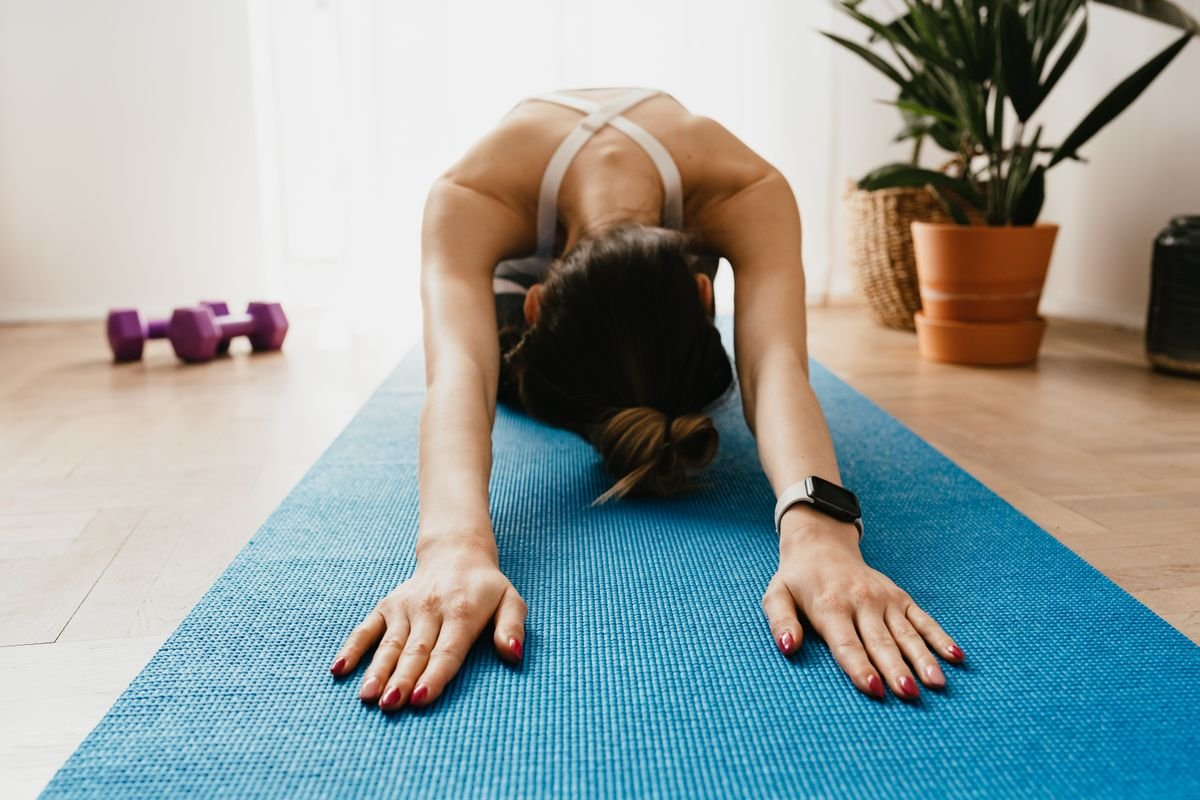
A walk around the block. Light stretching. A short home workout. Taking stairs. Dancing for a few minutes. Walking while talking on the phone. Cleaning your room with energy. Anything that gets your body moving can help.
Movement supports your mood, energy, and overall health. It can also help release stress after a long day.
The best type of movement is the one you can actually continue.
If you hate intense workouts, do not start with a routine that feels impossible. Start with ten minutes. Start with walking. Start with stretching.
Self-care should support you, not punish you.
Personal Grooming Is Self-Care Too
Many people separate grooming from self-care, but they are connected.
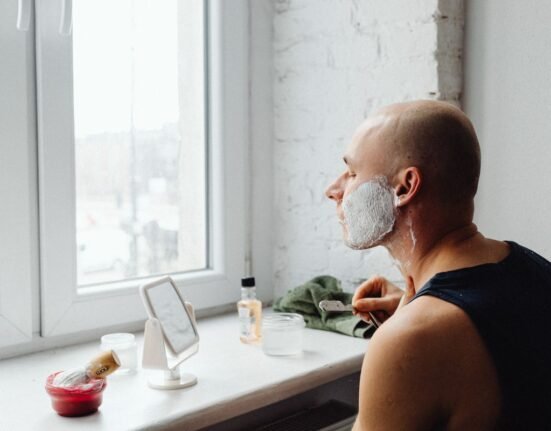
When you look clean and feel fresh, your mood often improves. Brushing your teeth, taking a shower, wearing clean clothes, combing your hair, and keeping your nails clean can make you feel more prepared for the day.
It is not about impressing people. It is about feeling comfortable in your own body.
If you want to build a cleaner and more confident daily routine, you can also read this guide on Daily Grooming Habits for a Clean, Professional, and Confident Lifestyle.
Small grooming habits can quietly improve self-confidence and daily comfort.
Protect Your Mental Space
Self-care is not only physical.
Your mind also needs care.
A lot of stress comes from mental clutter. Too many notifications. Too many comparisons. Too many worries. Too much information at once.
You cannot control everything, but you can protect some parts of your mental space.
Take breaks from screens. Avoid checking negative news again and again. Reduce time with people who constantly drain your energy. Spend a few minutes in silence. Write down what is bothering you. Talk to someone you trust.
Mental self-care does not mean pretending everything is fine.
It means giving your mind space to breathe.
Learn to Take Breaks
Some people feel guilty when they rest.
They think they must always be productive. Always working. Always improving. Always doing something.
But rest is useful.
Breaks help you recover. They help your mind reset. They help your body relax.
If you work or study for long hours, take small breaks during the day. Stand up. Stretch. Drink water. Step outside for a few minutes. Close your eyes. Breathe.
You do not have to earn rest by becoming completely exhausted.
Rest should be part of the routine.
Say No When You Need To
This is one of the hardest self-care habits.
Many people say yes even when they are already tired. They agree to extra tasks, extra plans, extra responsibilities, and extra emotional pressure because they do not want to disappoint anyone.
But always saying yes can slowly drain you.
Saying no politely is not rude. It is a boundary.
You can care about people and still protect your time. You can be helpful without being available every second. You can support others without ignoring yourself.
Healthy boundaries are a quiet form of self-care.
Spend Time with People Who Feel Good for You
The people around you can affect your mood more than you realize.
Some people make you feel calm, understood, and supported. Others leave you feeling tired, judged, or stressed.
Self-care includes choosing your environment carefully.
Spend more time with people who respect you, encourage you, and allow you to be yourself. Even one honest conversation with a supportive person can make a difficult day feel lighter.
You do not need a large circle.
A few good connections are enough.
Stop Comparing Every Day
Comparison is one of the easiest ways to ruin your peace.
Social media makes it look like everyone else is doing better. Better body. Better job. Better home.
But most people only share the polished parts.
You do not see their stress, bad days, doubts, family problems, or struggles.
Self-care means coming back to your own life. Your own progress. Your own pace.
Someone else’s success does not make your journey less valuable.
Create Small Relaxation Moments
Relaxation does not always need a full day off.
Sometimes it is a cup of tea in silence.
Sometimes it is ten minutes of music.
Sometimes it is sitting near a window.
Sometimes it is a short walk.
Sometimes it is writing down your thoughts before sleeping.
Small moments can help your mind settle.
Do not wait for a vacation to relax. Build tiny pockets of calm into normal days.
Make Your Environment Feel Better
Your surroundings affect your mood.
A messy room, dirty laundry, cluttered desk, or unclean bathroom can make your mind feel more stressed. You do not need a perfect home, but a cleaner space can make daily life easier.
Start small.
Make your bed. Clear your desk. Put clothes in the laundry. Open a window. Keep your water bottle nearby. Add a small plant if you like.
A peaceful environment supports a peaceful routine.
Build a Routine That Actually Fits Your Day
There is no one perfect self-care routine.
A student’s routine may look different from a parent’s routine. A busy worker may not have the same time as someone working from home. Some people need quiet mornings. Others feel better with evening routines.
A routine should match real life, not some perfect version of life.
Simple is the whole design.
Morning: drink water, wash your face, stretch, eat something.
Afternoon: take short breaks, move your body, stay hydrated.
Evening: reduce screen time, clean up a little, brush your teeth, sleep on time.
Nothing fancy.
Just useful.
Self-Care Will Not Look the Same Every Day
Some days you will have energy.
Some days you will not.
That is normal.
On good days, you may exercise, cook a healthy meal, clean your space, and follow your full routine. On hard days, self-care may simply mean showering, drinking water, eating something, and going to bed early.
Both count.
Self-care is not about doing everything perfectly. It is about not abandoning yourself completely when life gets busy.
Self-Care on a Day That Gives You Almost Nothing
Most self-care advice assumes a free hour. Most days do not have one.
Consider a mom in Georgia who works a retail shift and has two kids under eight. Her day is other people’s needs from 6 a.m. to lights-out. A spa routine is not happening, and she knows it.
What she actually does: she sits in the parked car for five minutes after grocery shopping before she goes inside. Music on, nobody asking for anything. It is the only silence in her day, and she guards it.
Lunch at work, she eats outside on the bench instead of in the break room, even in January with her coat on. Ten minutes of cold air and no small talk.
At night, after the kids are down, she washes her face slowly, changes into real pajamas, and reads one chapter. Fifteen minutes, total, across the whole day.
It is not much. But it is hers, it happens almost every day, and that is what makes it self-care rather than a plan she feels guilty about.
If you want the structure around these habits, here is how daily routines improve mind wellness when the same small anchors repeat each day.
For the quieter, end-of-day side of this, these simple lifestyle habits for mental peace pair well with a self-care routine.
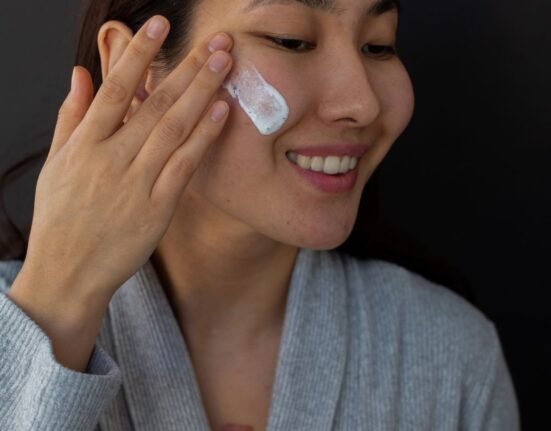
The grooming part of self-care deserves its own five minutes, and these simple skin care habits keep it short enough to actually happen.
Final Thoughts
A simple self-care routine can make life feel more balanced.
You do not need expensive products, long routines, or perfect discipline. You need small habits that support your body, mind, and emotions.
Drink water. Sleep better. Eat proper meals. Move your body. Keep yourself clean. Take breaks. Protect your mental space. Spend time with good people. Say no when needed. Create small moments of calm.
These habits may look simple, but they can change how you feel every day.
Self-care is not a luxury.
It is a daily way of taking care of yourself before you burn out.
Frequently Asked Questions
1. How much time does a self-care routine actually take?
Less than most people assume. Ten to twenty minutes spread across the day is enough for the basics: a quiet drink in the morning, a short walk, washing your face and changing into night clothes in the evening. The total matters less than whether it happens most days.
2. What if I feel guilty taking time for myself?
That feeling is common, especially for people who look after everyone else first. Treat the small breaks the way you treat phone charging — a flat battery helps nobody. Start with five minutes and notice whether the people around you actually suffer, or whether you simply return to them in a better state.
3. Can self-care be completely free?
Yes, and the most reliable forms usually are: a walk around the block, daylight in the morning, a shower you do not rush, an early night, saying no to one extra commitment. Products can be pleasant, but nothing in a basic routine needs to be bought.
4. How do I keep a self-care routine going on busy days?
Attach each small habit to something that already happens — coffee, the commute, the kids’ bedtime, your own. On the worst days, shrink the routine instead of skipping it: two minutes of quiet instead of ten still keeps the chain unbroken, and tomorrow can be a normal day again.
References
- National Institute of Mental Health — Caring for Your Mental Health
- NHS — 5 steps to mental wellbeing
Author Bio
PureFitDay Editorial Team creates practical health, wellness, and nutrition content for readers who want simple guidance for healthier living.
Disclaimer
A short note: this routine is general lifestyle guidance, not medical or mental health treatment. If you are struggling day to day, please talk to a doctor or a qualified counselor rather than relying on any article, including this one.


3 Comments