

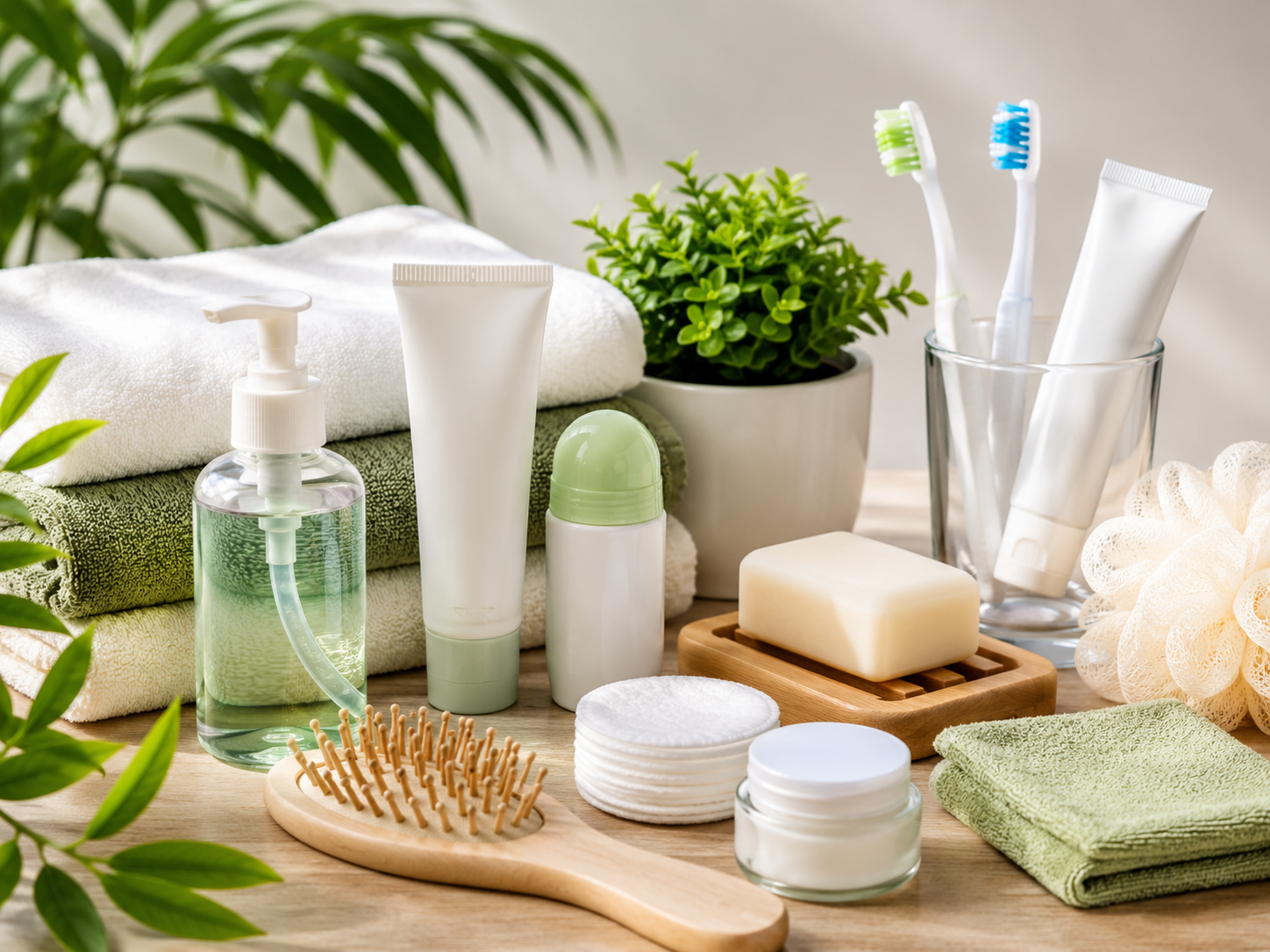
Personal Hygiene Tips for a Clean and Healthy Lifestyle
Personal hygiene is something we follow every day, often without thinking too much about it. Washing hands, brushing teeth, taking a shower, wearing clean clothes, and keeping the body fresh are all small habits. But these small habits play a big role in keeping us healthy.
A clean body does not only make you look better. It also helps you feel more comfortable and confident. When you take care of your hygiene, you reduce the chances of germs, bad order, skin problems, and infections. It also helps you feel fresh during your daily routine.
The best thing about personal hygiene is that it does not need to be complicated. You do not need expensive products or a long routine. Simple habits, done regularly, are enough to make a real difference.
What Is Personal Hygiene?
Personal hygiene means keeping your body clean and fresh through daily care. It includes taking care of your hands, mouth, skin, hair, nails, clothes, and overall body cleanliness.
Every day, our body comes in contact with dust, sweat, germs, and pollution. If we ignore basic hygiene, these things can build up and cause discomfort or health issues. That is why personal hygiene should be a normal part of daily life.
Good hygiene is not about being perfect. It is about being consistent. Even a few simple habits can improve your health and confidence over time.
Why Personal Hygiene Is Important
Many people think hygiene is only about appearance. That is not true. Looking clean is one part of it, but hygiene also protects your body.
When you wash your hands, clean your skin, brush your teeth, and wear fresh clothes, you are helping your body stay safe from harmful germs. These habits can lower the risk of common illnesses and make your daily life more comfortable.
Personal hygiene is only one part of overall wellness. A healthy lifestyle also includes proper sleep, stress management, daily movement, and a clean environment. If you want to build better habits for your overall well-being, check out these Lifestyle Tips for Body, Mind, and Freshness that can help you create a more balanced daily routine.
Good personal hygiene can also improve your mood. When you feel clean and fresh, you naturally feel more confident. It becomes easier to meet people, work, study, exercise, and enjoy your day.
Wash Your Hands Properly
Hand washing is one of the most important hygiene habits. Your hands touch many things during the day, such as phones, doors, money, tables, bags, and public surfaces. Germs can easily move from these surfaces to your hands.
If you touch your face, eat food, or prepare meals without washing your hands, those germs can enter your body.
You should wash your hands before eating, after using the restroom, after coughing or sneezing, after coming home from outside, and after touching dirty surfaces.
Use soap and clean water. Rub your hands well, including between your fingers and under your nails. A quick rinse is not enough. Take a little time and wash properly.
Take Regular Showers
A regular shower helps remove sweat, dirt, oil, and bacteria from the skin. It also helps control body order and keeps you feeling fresh.
People who exercise, sweat a lot, or live in hot weather may need to shower daily. Others may adjust their routine according to their lifestyle and skin type.
Use a mild soap or body wash. Clean areas where sweat usually collects, such as underarms, feet, neck, and back. After bathing, dry your body properly because moisture can sometimes cause irritation.
A shower is not only good for cleanliness. It can also make you feel relaxed after a long day.
Keep Your Mouth Clean
Oral hygiene is a very important part of personal hygiene. If you do not take care of your mouth, it can lead to bad breath, tooth decay, gum problems, and discomfort.
Brush your teeth twice a day. Morning brushing helps you start the day fresh, while night brushing removes food particles and bacteria before sleep.
Flossing is also helpful because it cleans between the teeth where a toothbrush cannot reach. You should also clean your tongue gently, as bacteria can collect there and cause bad breath.
Drinking enough water also supports oral health. It helps keep the mouth fresh and washes away small food particles during the day.
Wear Clean Clothes
Clean clothes are important for hygiene and comfort. Clothes absorb sweat, dust, and body oils. If you wear the same clothes for too long, they can start to smell and may irritate your skin.
Change your clothes regularly, especially undergarments, socks, and workout clothes. These items collect sweat more quickly.
After exercise or outdoor activity, try to change into fresh clothes. This helps your skin breathe and keeps your body fresh.
Also, wash towels and bedding regularly. Many people forget this, but towels and bedsheets also collect sweat, oil, and bacteria.
Keep Your Nails Clean
Nails can easily collect dirt and germs. If nails are long or not cleaned properly, germs can stay under them and spread to food, face, or other surfaces.
Trim your nails regularly. Keep them clean and avoid biting them. Nail biting can transfer germs directly into your mouth.
Clean nails may look like a small thing, but they are a clear sign of good personal hygiene.
Take Care of Your Skin
Your skin protects your body every day. It faces sunlight, dust, sweat, pollution, and weather changes. A simple skincare routine can help keep your skin healthy.
Wash your face daily with a gentle cleanser. Avoid using harsh products too often because they can dry or irritate the skin.
Use moisturizer if your skin feels dry. Drink enough water and try to protect your skin from too much sun exposure.
You do not need a complicated skincare routine. Basic cleaning, hydration, and protection are enough for most people.
Do Not Ignore Hair Hygiene
Hair and scalp also need regular care. Sweat, oil, dust, and product build up can collect on the scalp over time.
Wash your hair according to your hair type and routine. Some people need frequent washing, while others do better with washing a few times a week.
Use a suitable shampoo and keep your combs or brushes clean. Dirty hair tools can transfer oil and dirt back to your scalp.
Healthy hair hygiene helps you feel fresh and gives you a cleaner appearance.
Take Care of Your Feet
Feet often get ignored, but they need proper care too. Feet spend many hours inside shoes, where sweat and moisture can build up.
Wash your feet regularly and dry them properly, especially between the toes. Wear clean socks and change them daily.
Choose comfortable shoes when possible. If your feet sweat a lot, breathable footwear can help reduce order and discomfort.
Good foot hygiene can help prevent bad smell, itching, and fungal problems.
Use Deodorant Wisely
Body order is normal, especially after sweating. Deodorant can help keep you fresh, but it should not replace bathing.
Use deodorant after showering and drying your skin. Choose a product that suits your skin. If you notice irritation, try switching to a gentler option.
Clean skin plus deodorant works better than deodorant alone.
Maintain Hygiene During Exercise
Exercise is great for health, but it also causes sweat. Sweat itself is natural, but if it stays on the skin for too long, it can cause order or irritation.
After a workout, change out of sweaty clothes as soon as possible. Wash your face and body if needed. Keep your workout towel clean and do not share personal items like towels or water bottles.
Also, clean your gym gear regularly. Yoga mats, gloves, shoes, and bottles can collect germs if they are not cleaned.
Keep Personal Items Separate
Some personal items should not be shared. These include towels, toothbrushes, razors, combs, lip balm, and nail tools.
Sharing these items can spread bacteria, fungus, or infections. It is better to keep your own hygiene items and store them in a clean place.
This habit is simple but very important, especially in shared homes, hostels, gyms, or travel situations.
Hygiene at Home
Personal hygiene is easier when your surroundings are clean. Your bathroom, bedroom, and daily-use items should also be kept tidy.
Keep your toothbrush in a clean, dry place. Wash towels regularly. Change bedsheets often. Clean your bathroom surfaces. Keep your laundry basket separate from clean clothes.
A clean environment supports a clean body.
Common Hygiene Mistakes
Sometimes people follow hygiene routines but still make small mistakes. These mistakes can reduce the benefits of personal care.
One common mistake is washing hands too quickly. Another is using the same towel for too many days. Some people forget to change socks daily or keep wearing sweaty workout clothes.
Skipping night brushing is also common. Many people brush in the morning but forget that cleaning teeth before sleep is just as important.
Small corrections can improve your hygiene routine without much effort.
Simple Daily Hygiene Routine
A good hygiene routine does not have to be long. You can keep it simple.
In the morning, brush your teeth, wash your face, shower if needed, use deodorant, and wear clean clothes.
During the day, wash your hands regularly, drink water, and avoid touching your face with dirty hands.
At night, brush your teeth again, wash your face, change into clean sleepwear, and keep your used clothes separate from clean ones.
This type of routine is easy to follow and works well for most people.
Personal Hygiene and Confidence
Good hygiene has a strong connection with confidence. When you feel clean, you feel more ready for the day. You can meet people, go to work, attend classes, exercise, or travel without feeling uncomfortable.
Fresh breath, clean clothes, neat hair, and healthy skin can all improve how you feel about yourself.
Hygiene is a form of self-respect. It shows that you care about your body and your well-being.
Teaching Hygiene to Children
Children learn hygiene habits from the people around them. Parents and elders can help by making hygiene simple and routine-based.
Teach children to wash their hands, brush their teeth, bathe regularly, and wear clean clothes. Keep instructions simple and repeat them gently.
When children learn these habits early, they are more likely to carry them into adulthood.
Final Thoughts
Personal hygiene is one of the easiest ways to support a healthy lifestyle. It does not require a perfect routine or expensive products. Simple daily habits can protect your health, improve your comfort, and boost your confidence.
Washing hands, bathing regularly, brushing teeth, wearing clean clothes, caring for skin, cleaning nails, and maintaining hair and foot hygiene are all small steps. But together, they make a big difference.
The goal is not to make hygiene feel difficult. The goal is to make it a normal part of your day. When you take care of your body daily, you feel cleaner, fresher, and more confident in your everyday life.





Leave feedback about this