

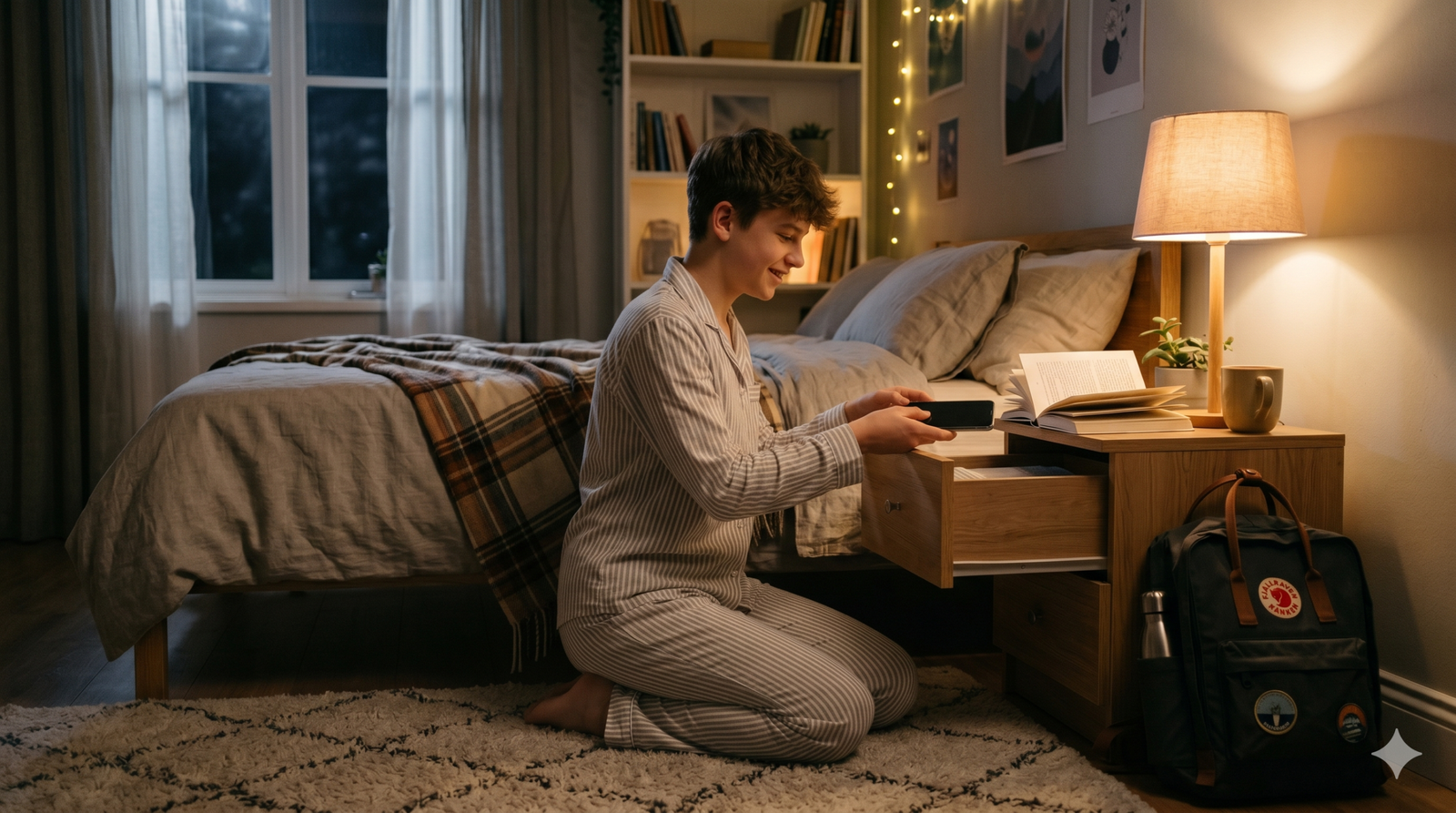
Sleep Tips for Teens and Better Routine
Sleep tips for teens are important because teenagers often deal with busy school schedules, homework, exams, screen time, social life, physical growth, and emotional changes. During the teen years, sleep plays a major role in energy, focus, mood, memory, growth, and overall wellness.
Many teens stay up late because of phones, studying, gaming, stress, or irregular routines. Over time, poor sleep habits may affect how they feel during the day. A better sleep routine can help teens wake up with more energy and feel more prepared for school and daily responsibilities.
Good sleep does not require a perfect schedule. It starts with simple habits that help the body and mind relax before bedtime.
Why Sleep Matters for Teens
Teenagers need quality sleep to support both physical and mental development.
Good sleep may support:
- Better focus
- Healthy growth
- Improved mood
- Better memory
- Daily energy
- School performance
- Emotional balance
- Overall teen wellness
When teens do not sleep well, they may feel tired, irritated, distracted, or less motivated during the day.
Set a Consistent Bedtime
One of the best sleep tips for teens is keeping a regular bedtime.
Sleeping and waking up at similar times can help the body develop a natural rhythm.
A consistent bedtime may help teens:
- Fall asleep more easily
- Wake up with less stress
- Feel more rested
- Build better daily routines
Even if weekends are slightly different, keeping sleep timing close to normal can help.
Reduce Screen Time Before Bed
Screens are one of the biggest reasons teens stay awake late.
Phones, tablets, laptops, and gaming can keep the mind active when it should be slowing down.
Helpful screen habits include:
- Put the phone away before bedtime
- Avoid gaming late at night
- Keep devices away from the bed
- Use quiet activities instead
- Set a screen-off time
Reducing screen time before sleep can make bedtime calmer.
Create a Calm Night Routine
A calm routine can signal the body that it is time to rest.
A simple night routine may include:
- Finishing homework earlier
- Taking a shower
- Brushing teeth
- Preparing clothes for tomorrow
- Reading a book
- Listening to calm music
- Sleeping at a regular time
The routine does not need to be long. It only needs to be consistent.
Keep the Bedroom Sleep-Friendly
A comfortable bedroom can support better sleep.
Helpful bedroom habits include:
- Keep the room clean
- Use comfortable bedding
- Reduce bright lights
- Keep the room quiet
- Avoid studying in bed
- Keep phones away from the pillow
A peaceful bedroom can help teens relax faster.
Avoid Late Caffeine
Caffeine can make it harder to fall asleep.
Teens may get caffeine from:
- Tea
- Coffee
- Energy drinks
- Cola
- Some chocolate drinks
Energy drinks are especially common among teenagers, but they may affect sleep when used too late.
Limiting caffeine in the evening can support better rest.
Eat Balanced Meals During the Day
Food habits can also affect sleep and energy.
Skipping meals, eating too much junk food, or drinking sugary drinks may affect daily comfort and routine.
If you want more nutrition guidance, you can also read our guide on Healthy Eating Tips for Teenagers.
Healthy meals and good sleep habits can work together to support teen wellness.
Do Not Sleep Right After Heavy Meals
A very heavy meal right before bed may feel uncomfortable.
Teens do not need to sleep hungry, but late-night heavy eating can disturb rest.
Better evening options may include:
- Light snack if needed
- Water
- Yogurt
- Fruit
- Whole grain toast
- Small balanced dinner earlier
Comfort matters when building a better sleep routine.
Stay Active During the Day
Physical activity can help teens use energy in a healthy way.
Good activity ideas include:
- Walking
- Cycling
- Sports
- Jogging
- Dancing
- Stretching
- Home workouts
Teens who move during the day may feel more ready to rest at night.
However, very intense exercise too close to bedtime may make some teens feel too alert.
Manage Stress Before Bed
Teenagers may stay awake because of school pressure, exams, social worries, or personal thoughts.
Helpful stress-relief habits include:
- Writing tasks for tomorrow
- Journaling
- Deep breathing
- Talking to someone trusted
- Listening to calm music
- Reading something relaxing
A calm mind can make sleep easier.
Prepare for the Next Day
Preparing at night can reduce morning stress.
Teens can:
- Pack school bag
- Choose clothes
- Organize books
- Set alarm
- Plan breakfast
- Write down important tasks
When the next morning feels planned, teens may sleep with less worry.
Avoid Long Late Naps
Naps can be helpful when teens are very tired, but long naps late in the day may make nighttime sleep harder.
If a nap is needed, it may be better to keep it short and earlier in the day.
A balanced nap routine can help without disturbing bedtime.
Keep Mornings Consistent
Better sleep starts in the morning too.
Helpful morning habits include:
- Wake up at a regular time
- Open curtains for sunlight
- Drink water
- Eat breakfast
- Get ready calmly
A consistent morning routine can help regulate nighttime sleep.
Common Sleep Mistakes Teens Should Avoid
Some habits may make sleep worse.
Common mistakes include:
- Using phone in bed
- Sleeping very late
- Drinking caffeine at night
- Skipping morning routine
- Doing homework too late
- Keeping the room too bright
- Irregular sleep schedule
Small changes can improve sleep gradually.
Sample Sleep Routine for Teens
Evening
- Finish homework
- Eat dinner
- Drink water
- Prepare school bag
One Hour Before Bed
- Put phone away
- Take shower
- Brush teeth
- Read or relax
Bedtime
- Lights dim
- Calm room
- Sleep at regular time
This routine can be adjusted based on school timing, family schedule, and personal needs.
Final Thoughts
Sleep tips for teens can help build a better routine that supports focus, energy, mood, growth, and overall wellness.
Simple habits such as reducing screen time, keeping a consistent bedtime, avoiding late caffeine, staying active, eating balanced meals, and creating a calm night routine can make sleep easier.
The goal is not perfection.
The goal is consistency.
When teens build better sleep habits, they may feel more rested, confident, focused, and prepared for daily life.
FAQs
1. What are the best sleep tips for teens?
The best sleep tips for teens include keeping a regular bedtime, reducing screen time, avoiding late caffeine, staying active, and creating a calm night routine.
2. Why is sleep important for teenagers?
Sleep supports growth, learning, memory, mood, focus, energy, and overall teen wellness.
3. How can teens sleep better at night?
Teens can sleep better by putting phones away, keeping the bedroom calm, following a bedtime routine, and sleeping at regular times.
4. Can screen time affect teen sleep?
Yes. Too much screen time before bed may make it harder for teens to relax and fall asleep.
5. Should teens avoid caffeine at night?
Yes. Caffeine in the evening may disturb sleep for many teenagers.
6. Can exercise help teens sleep better?
Regular physical activity during the day may help teens feel more ready for sleep at night.
7. What should teens do before bed?
Teens can read, prepare school items, brush teeth, listen to calm music, stretch gently, or practice deep breathing.
8. How can parents support better teen sleep?
Parents can encourage regular routines, reduce late screen use, support balanced meals, and create a calm sleep environment.
Author Bio
About the Author
PureFitDay Editorial Team creates practical health, wellness, and lifestyle content for families and everyday readers. Our goal is to provide simple guidance on teen health, teen wellness, nutrition, hygiene, fitness, sleep, emotional wellness, and healthy daily routines.
References
- Centers for Disease Control and Prevention (CDC) – Adolescent and School Health
https://www.cdc.gov - World Health Organization (WHO) – Adolescent Health
https://www.who.int - UNICEF – Adolescent Development
https://www.unicef.org - Mayo Clinic – Teen Health
https://www.mayoclinic.org - Harvard Health Publishing – Teen Sleep and Wellness
https://www.health.harvard.edu
Disclaimer
Medical Disclaimer
The information provided in this article is for educational and informational purposes only and should not be considered medical advice. Parents, caregivers, and teenagers should consult a qualified healthcare professional for concerns about teen sleep, health, nutrition, growth, mental health, development, or overall wellness. Individual needs may vary.




Leave feedback about this