


Easy Meal Ideas for Seniors at Home
Eating well at home can become more important with age. Many seniors want meals that are healthy, simple, affordable, and easy to prepare. However, cooking every day can sometimes feel tiring, especially when appetite changes, energy levels are lower, or certain foods become harder to chew.
The good news is that healthy meals do not need to be complicated.
Easy meal ideas for seniors can include simple breakfasts, light lunches, warm dinners, soft foods, protein-rich snacks, and hydrating options that support daily wellness. The goal is to create meals that are practical, nourishing, and enjoyable.
A good senior-friendly meal should be easy to prepare, balanced, and comfortable to eat.
Why Easy Meals Matter for Seniors
Simple meals can help seniors eat better without feeling overwhelmed.
When meals are too complicated, many older adults may skip meals or rely too much on packaged foods. Easy home meals can support better nutrition while saving time and effort.
Easy meals may help support:
- Better energy
- Healthy digestion
- Muscle maintenance
- Hydration
- Bone health
- Daily comfort
- Healthy aging
Simple food choices can still provide strong nutrition when planned well.
What Makes a Meal Senior-Friendly?
A senior-friendly meal is not just healthy. It should also be practical.
Good senior meals are usually:
- Easy to chew
- Simple to prepare
- Balanced with protein
- Rich in vitamins and minerals
- Not too heavy
- Hydrating when possible
- Comfortable for digestion
Meals can be adjusted based on personal needs, appetite, and health conditions.
Simple Breakfast Ideas
Breakfast can help seniors start the day with steady energy.
Easy breakfast ideas include:
- Oatmeal with berries and milk
- Scrambled eggs with whole grain toast
- Greek yogurt with fruit
- Banana with peanut butter
- Cottage cheese with soft fruit
- Whole grain toast with avocado
These meals are simple and can be prepared quickly.
Oatmeal is especially helpful because it is soft, warm, and easy to customize.
Easy Lunch Ideas
Lunch should be light but nourishing.
Good lunch ideas include:
- Vegetable soup with whole grain bread
- Tuna sandwich on whole wheat bread
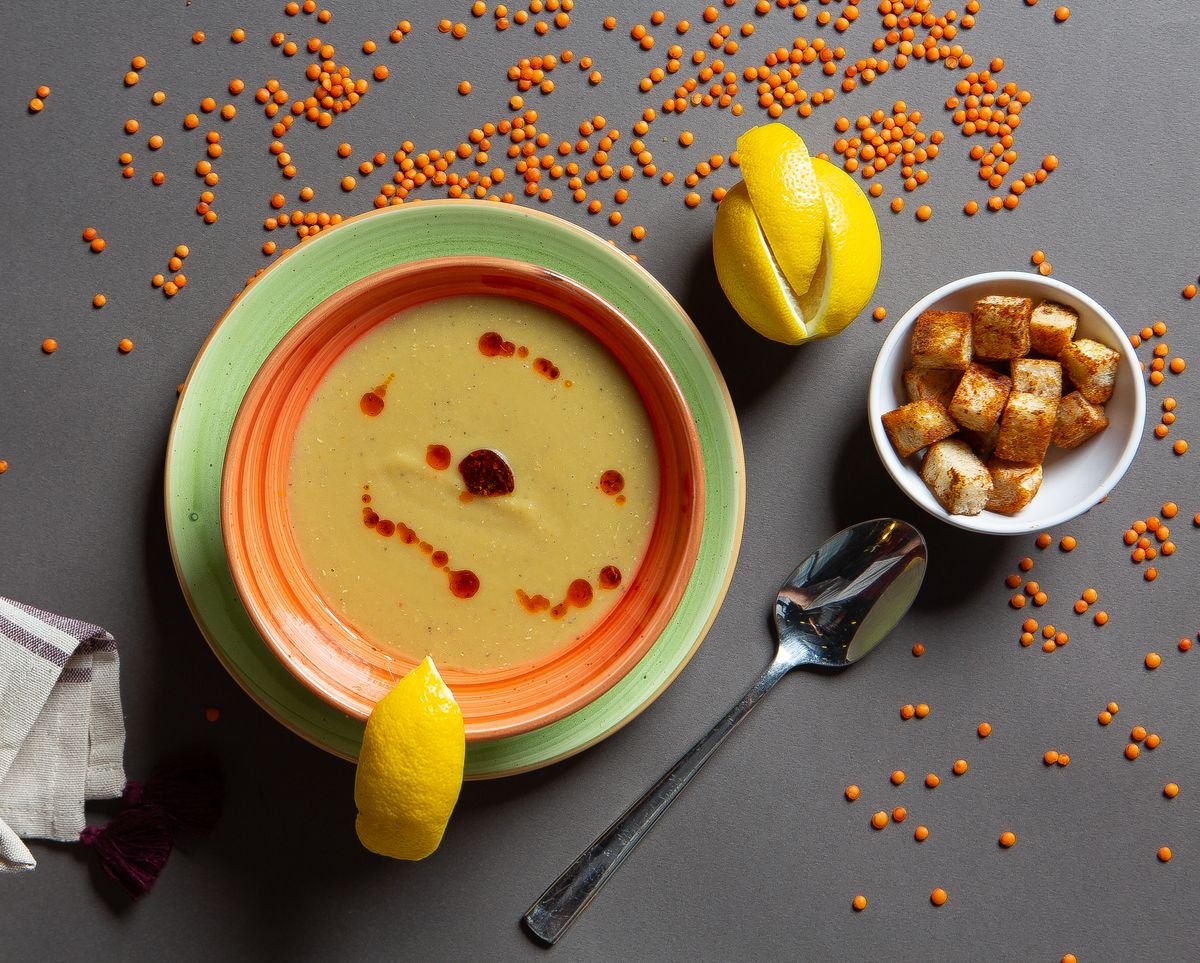
- Lentil soup with soft vegetables
- Chicken salad with avocado
- Rice bowl with beans and vegetables
- Egg salad with whole grain crackers
Soups are often useful because they are easy to chew and can support hydration.
If hydration is also a concern, you may find this guide helpful: Hydration Tips for Seniors to Stay Healthy.
Fluids and balanced meals work together to support senior wellness.
Simple Dinner Ideas
Dinner does not need to be heavy or difficult.
Easy dinner ideas include:
- Baked fish with sweet potatoes
- Chicken with soft-cooked vegetables
- Lentil stew with brown rice
- Turkey with quinoa and salad
- Vegetable omelet with toast
- Bean soup with whole grains
A balanced dinner should include protein, vegetables, and a healthy carbohydrate source.
Soft-cooked vegetables may be easier for some seniors to eat than raw vegetables.
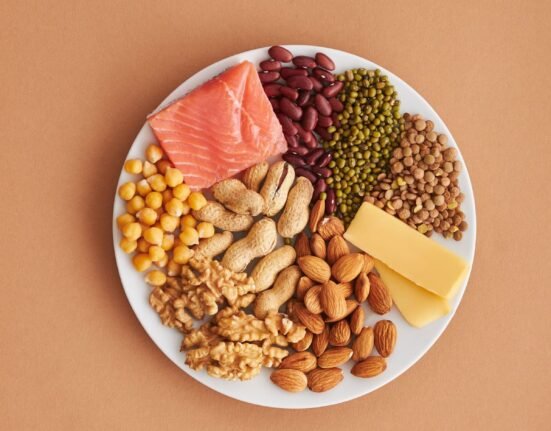
Protein-Rich Meal Ideas
Protein helps support muscle health and strength.
Easy protein-rich options include:
- Eggs
- Fish
- Chicken
- Greek yogurt
- Cottage cheese
- Beans
- Lentils
- Tofu
Protein can be added to meals in simple ways.
For example, add boiled eggs to breakfast, beans to soup, or yogurt as a snack.
Soft Food Meal Ideas
Some seniors may need softer meals due to dental concerns, chewing difficulty, or digestion issues.
Soft meal ideas include:
- Oatmeal
- Scrambled eggs
- Yogurt with fruit
- Mashed sweet potatoes
- Lentil soup
- Soft-cooked vegetables
- Cottage cheese
- Smoothies
Soft foods can still be nutritious when they include protein, fiber, and healthy fats.
Healthy Snack Ideas
Snacks can help seniors who have smaller appetites.
Healthy snacks include:
- Fruit slices
- Yogurt
- Nuts or nut butter
- Hummus with soft vegetables
- Whole grain crackers
- Cottage cheese
- Boiled eggs
- Smoothies
Snacks should support nutrition rather than replace balanced meals.
Easy Meals for One Person
Many seniors cook for one, which can make meal planning harder.
Simple ideas include:
- Make soup and freeze portions
- Cook rice or grains in small batches
- Use canned beans with low sodium
- Prepare boiled eggs ahead of time
- Keep frozen vegetables available
- Use leftovers for next-day meals
Cooking for one can still be healthy with a little planning.
Quick No-Cook Meal Ideas
Some days, cooking may feel difficult.
No-cook meal ideas include:
- Greek yogurt with fruit and nuts
- Whole grain toast with peanut butter
- Tuna with whole grain crackers
- Cottage cheese with fruit
- Hummus with vegetables
- Ready-to-eat salad with boiled eggs
These meals can help seniors eat well even on low-energy days.
Meal Planning Tips for Seniors
A little planning at the start of the week makes healthy eating much easier.
Helpful tips include:
- Keep meals simple
- Prepare ingredients ahead
- Choose easy recipes
- Keep healthy snacks visible
- Use frozen vegetables
- Make soups in batches
- Keep water nearby
A simple plan can reduce stress and improve consistency.
Grocery List for Easy Senior Meals
A helpful grocery list may include:
- Oatmeal
- Eggs
- Yogurt
- Cottage cheese
- Whole grain bread
- Brown rice
- Beans
- Lentils
- Fish
- Chicken
- Frozen vegetables
- Fresh fruit
- Soups
Keeping basic healthy foods at home makes meal preparation easier.
Final Thoughts
Easy meal ideas for seniors can make healthy eating more practical at home.
Simple meals such as oatmeal, eggs, soups, fish, yogurt, beans, lentils, soft vegetables, whole grains, and healthy snacks can support energy, digestion, muscle health, and healthy aging.
The goal is not to cook complicated meals every day.
The goal is to choose simple foods that provide comfort and nutrition.
With a little planning, seniors can enjoy easy meals that support health, independence, and daily wellness.
Meals alone do not cover fluids, so read our hydration tips for seniors if you often reach the evening realising you barely drank anything.
Three Dinners That Take Less Than 20 Minutes
Long cooking is what puts many older people off making dinner at all. These three meals ask for one pot, a few basics, and very little standing time.
First, a soft rice-and-lentil bowl. Rice and lentils cooked soft together in one pot, with a spoon of butter and a little yogurt on the side. Add frozen peas or a chopped carrot if you have them. It is gentle on the stomach and easy to chew.
Second, red lentil soup with whatever vegetables are in the fridge. Red lentils need no soaking and cook fast. While it simmers, warm yesterday’s whole-grain bread or cook fresh rice. A squeeze of lemon at the end makes a plain bowl taste finished.
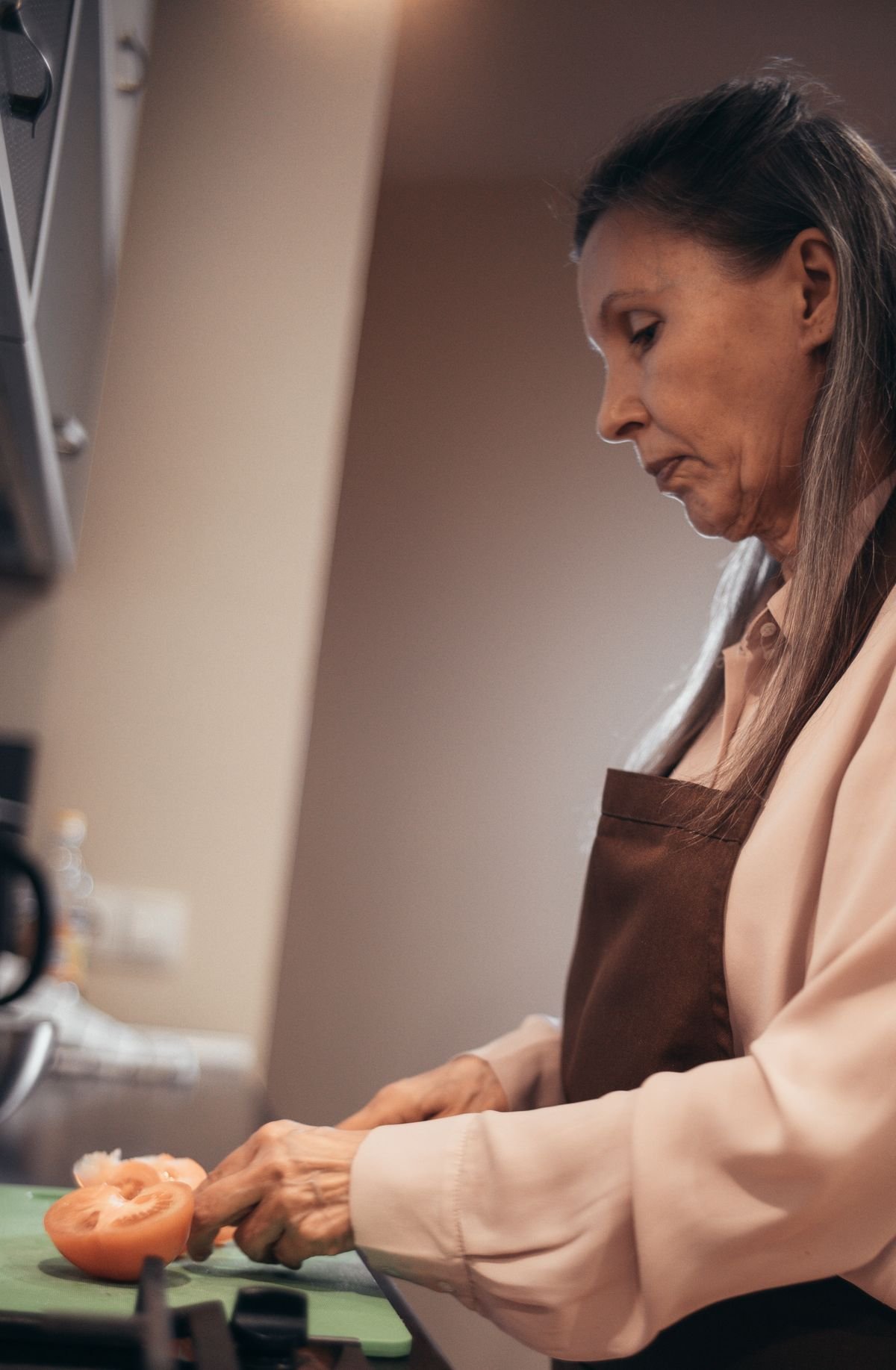
Third, eggs. Two eggs scrambled with tomato and onion, eaten with whole-grain toast and a small bowl of Greek yogurt. Five minutes of cooking, proper protein, almost no washing up.
One common mistake is cooking a separate “special” meal for the older person in the house. It rarely lasts. Food cooked for the whole family, served softer or with less spice, is the version people actually stick to.
If you like these dishes and want them arranged into a full week, the simple diet plan for seniors puts breakfasts, lunches, and dinners into a ready-made schedule.
On low-energy days, the best foods for seniors to support energy are worth keeping in the kitchen, because they turn into a decent meal with almost no cooking.
FAQs
1. What are easy meal ideas for seniors?
Easy meal ideas for seniors include oatmeal, eggs, soup, yogurt, fish, soft vegetables, beans, lentils, smoothies, and simple rice bowls.
2. What is a good breakfast for seniors?
Oatmeal with fruit, eggs with toast, Greek yogurt with berries, or cottage cheese with fruit can be good breakfast options.
3. What meals are easy for seniors to chew?
Soft meals such as oatmeal, scrambled eggs, soups, mashed sweet potatoes, yogurt, smoothies, and soft-cooked vegetables can be easier to chew.
4. How can seniors eat healthy when cooking for one?
Seniors can cook small batches, freeze portions, use frozen vegetables, prepare simple soups, and keep healthy snacks available.
5. Are soups good for seniors?
Yes. A good soup is easy to chew, helps with fluids, and can carry a full meal’s worth of vegetables, protein, and whole grains in one bowl.
6. What snacks are good for seniors?
Fruit, yogurt, cottage cheese, boiled eggs, hummus, smoothies, nuts, and whole grain crackers are good snack options.
7. What should seniors keep in the kitchen?
Oatmeal, eggs, yogurt, beans, lentils, whole grains, frozen vegetables, fruit, soup, and protein foods are useful staples.
8. Do easy senior meals need to be expensive?
No. Simple foods like eggs, beans, lentils, oatmeal, rice, frozen vegetables, and soups can be affordable and nutritious.
9. What can I cook when I feel too tired to stand for long?
Choose meals that cook in one pot with almost no stirring, like a rice-and-lentil bowl or lentil soup, and sit down while you chop the vegetables. Keep two or three frozen portions of soup ready for the hardest days, so tiredness does not mean skipping dinner.
10. How long can I keep cooked lentil soup or vegetable soup in the fridge?
Two to three days in the fridge is a safe guide if it is cooled, covered, and reheated until steaming hot. Freeze extra portions in single servings instead of keeping one big pot all week, because repeated reheating hurts both taste and safety.
11. I have trouble chewing meat. What protein can I eat instead?
Soft proteins work just as well: lentils, Greek yogurt, scrambled eggs, cottage cheese, soft fish, and well-cooked beans mashed slightly. Spread them across the day instead of trying to fit all your protein into one meal, which is harder when chewing is tiring.
12. Are frozen vegetables as good as fresh ones for these meals?
Yes, for everyday cooking they are a fair choice, and peas, mixed vegetables, and spinach lose very little goodness by being frozen. They also skip the washing and chopping, which is often the real barrier to cooking at home.
Author Bio
About the Author
PureFitDay Editorial Team creates practical health, wellness, and nutrition content for readers who want simple guidance for healthier living. Our content focuses on healthy aging, senior nutrition, easy meals, hydration, energy, fitness, mobility, and everyday wellness habits.
References
- Centers for Disease Control and Prevention (CDC) – Healthy Eating for Older Adults
https://www.cdc.gov - National Institute on Aging (NIA) – Healthy Eating
https://www.nia.nih.gov - World Health Organization (WHO) – Healthy Diet
https://www.who.int - Harvard Health Publishing – Nutrition and Healthy Aging
https://www.health.harvard.edu - Mayo Clinic – Nutrition and Healthy Eating
https://www.mayoclinic.org - NHS — How to eat a balanced diet
https://www.nhs.uk/live-well/eat-well/how-to-eat-a-balanced-diet/ - World Health Organization — Healthy diet fact sheet
https://www.who.int/news-room/fact-sheets/detail/healthy-diet
Disclaimer
Medical Disclaimer
These meal ideas are general nutrition education for older adults, not personal medical advice — check with your doctor or dietitian before changing how you eat, especially if you manage a condition like diabetes. Seniors should consult a qualified healthcare professional before making major dietary changes, especially if they have diabetes, kidney disease, heart conditions, chewing or swallowing difficulties, food allergies, or dietary restrictions. How much you need depends on your health, your medicines, and your appetite.



2 Comments