
The Ultimate Weight Loss Diet Plan: How to Lose Fat Sustainably
In the modern era of fitness, finding an effective weight loss diet plan is often the biggest hurdle for beginners. While many people believe that exercise is the only way to lose weight, the truth is that nutrition accounts for nearly 70% of your results. Therefore, creating a structured eating strategy is the most important step you can take toward your goals.
In addition to physical changes, a proper diet improves your overall energy levels and metabolic health. However, many individuals fall into the trap of “crash dieting,” which often leads to muscle loss rather than fat loss. Consequently, this guide focuses on a balanced approach that prioritizes long-term health over quick, temporary fixes.
The Science of a Caloric Deficit
First and foremost, you must understand the concept of a caloric deficit. To lose weight, you need to burn more calories than you consume. For instance, if your body requires 2,000 calories to maintain its weight, eating 1,700 calories will create a deficit that forces your body to use stored fat for fuel. As a result, you will see a steady decrease in body weight over time.
Moreover, the quality of those calories is just as important as the quantity. Choosing high-fiber vegetables and lean proteins will keep you feeling full for longer periods. In other words, a weight loss diet plan should not make you feel constantly hungry; it should provide high-volume, low-calorie foods that satisfy your appetite.
Professional Eating Rules for Weight Loss
To ensure that you stay consistent, it is helpful to follow professional rules that have been proven to work. For example, many athletes use specific timing and portion strategies to maintain their physique year-round.
The 3-3-3 Rule for Weight Loss
A very popular method is the 3 3 3 rule for eating. This involves consuming three main meals, drinking three liters of water daily, and including three different colors of vegetables in your diet. Typically, this ensures that you are hydrated and receiving a wide spectrum of vitamins and minerals. Furthermore, drinking water before meals has been shown to reduce overall calorie intake.
The 4-8-12 Rule in a Nutritional Context
While the 4 8 12 rule is often used for workouts (4 sets of 8-12 reps), it can also be adapted for nutrition. Usually, this means having 4 meals within an 8-hour window, followed by a 12-hour fast. This intermittent fasting approach can help regulate insulin levels and promote fat oxidation. Consequently, it makes managing your daily calories much easier.
Foods to Prioritize and Avoid
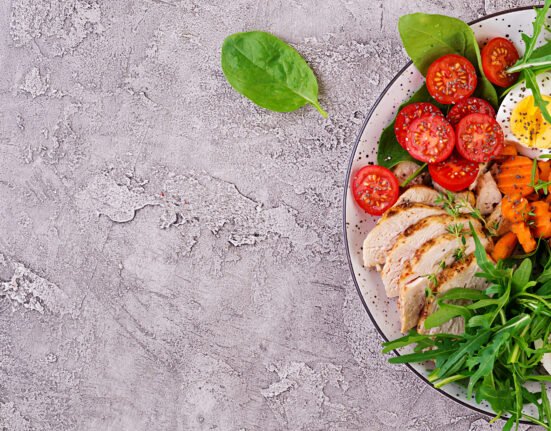
Specifically, your weight loss diet plan should revolve around whole foods. For instance, lean proteins like chicken breast, fish, and legumes are essential for maintaining muscle mass. Because protein has a high thermic effect, your body actually burns more calories digesting it than it does for fats or carbs.
On the other hand, you should limit processed sugars and refined grains. These foods cause rapid spikes in blood sugar, which can lead to increased fat storage. Therefore, swapping white bread for oats or quinoa is a simple change that can yield massive results over several months.
Frequently Asked Questions (Weight Loss & Training)
Can you build muscle with home workouts?
Yes, you can build muscle at home by using bodyweight exercises and consistent progression. However, you must pair your workouts with a high-protein weight loss diet plan to ensure your muscles have the nutrients they need to grow.
What is the 4 8 12 rule?
The 4 8 12 rule is a training protocol consisting of 4 sets and 8-12 repetitions. This range is specifically designed for hypertrophy, which helps in maintaining muscle tone while you are losing fat.
What is the 5-3-1 rule?
The 5 3 1 rule is a strength-building cycle. Even on a diet, maintaining strength is important. Therefore, using this rule for your heavy lifts ensures you don’t lose strength while in a caloric deficit.
What exercise burns the most fat?
High Intensity Interval Training (HIIT) is widely considered the best for fat burning. In addition, compound movements like squats and deadlifts are very effective because they require a lot of energy to perform.
Does 12/3/30 actually burn fat?
Yes, the 12/3/30 method (incline 12, speed 3, for 30 mins) is an excellent way to burn calories. When combined with a solid weight loss diet plan, it can significantly speed up your progress.
What is the healthiest eating plan?
The healthiest plan is one that focuses on whole foods, avoids processed chemicals, and is sustainable for your lifestyle. In other words, the best plan is the one you can stick to long term.
What foods are good for lowering blood pressure?
Foods such as leafy greens, berries, and fatty fish are known for their ability to lower blood pressure. Reducing salt and increasing potassium intake are also vital components of a heart-healthy diet.
How to make a 7 day diet plan?
To create a 7 day plan, start by calculating your daily calorie needs. Then, prep your meals in advance to avoid the temptation of fast food. Each day should include a balance of protein, healthy fats, and complex carbohydrates.
How to lose 10kg in 2 weeks?
While people often search for this, losing 10kg in 2 weeks is not realistic for fat loss and can be dangerous. Instead, focus on losing 0.5kg to 1kg per week for healthy and permanent results.
Conclusion
To conclude, a successful weight loss diet plan is about more than just restriction; it is about nourishment and consistency. By following the 3 3 3 rule and staying in a moderate caloric deficit, you can achieve the body of your dreams. Start your journey today, and remember that slow progress is still progress!